
Interactive Tool Try the Film Studio →
Call (610) 735-7064
Get an Instant Estimate
Mon to Fri · 9AM to 5PM
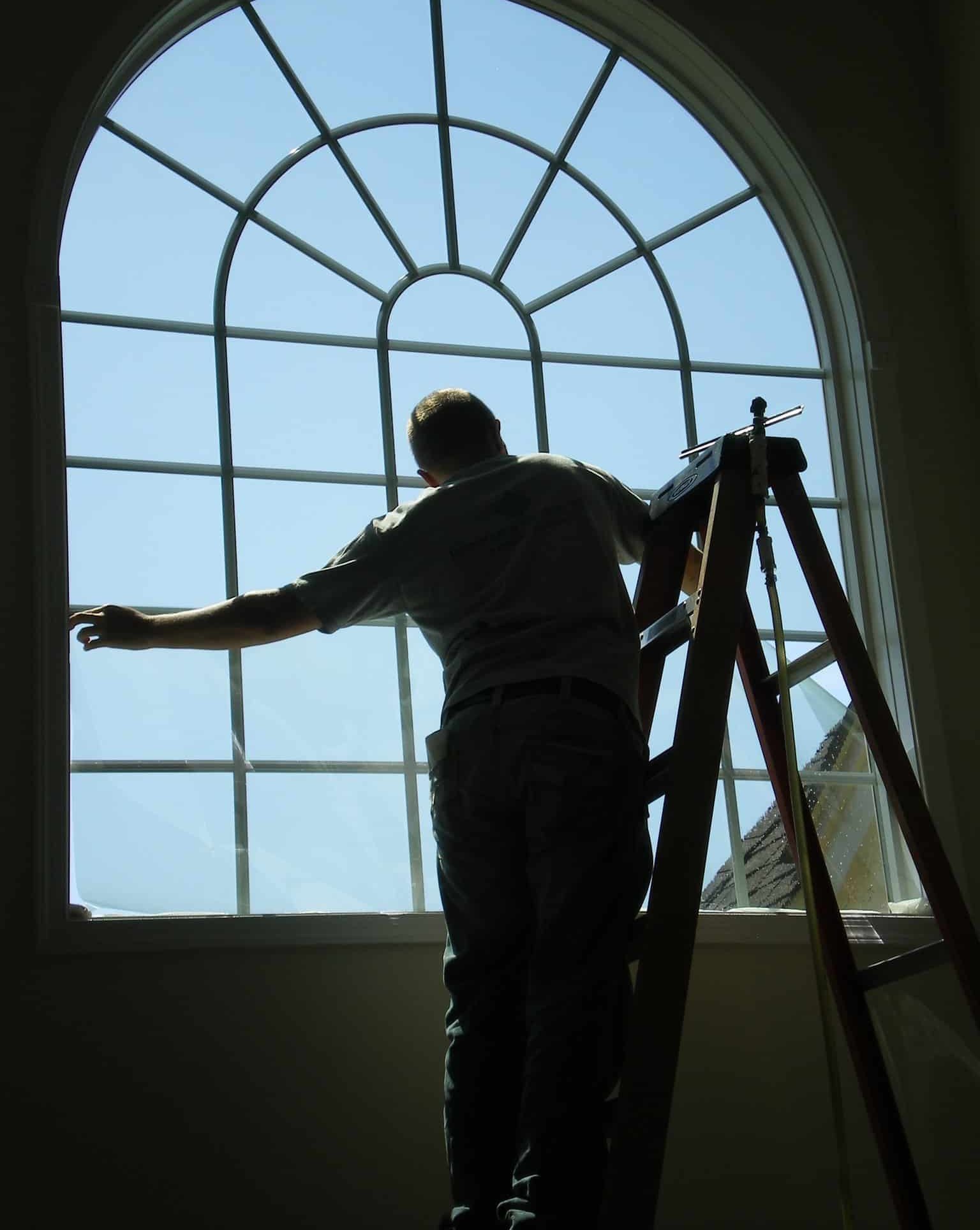
Homeowners who schedule window film installation in July take advantage of ideal curing conditions and begin realizing cooling cost savings immediately...
Your west-facing living room hits 85 degrees by 3 PM even with the air conditioning running. The blinds are down, the ceiling fan is spinning, and you're still squinting at your laptop screen because the glare is cutting through every gap in the slats. Meanwhile, your energy bill just hit a number that made you put the statement down and walk away. If that sounds familiar, you're describing a very common July afternoon on the Main Line, in Bucks County, or anywhere across southeastern Pennsylvania where afternoon sun hammers unprotected glass for six or more hours straight. Window film doesn't fix every problem in a house, but for heat, glare, fading furniture, and UV exposure, it addresses the actual source of the issue rather than layering workarounds on top of it. This post covers what's new at Sun Control Specialists as of summer 2026, why July is a better month to install than most people assume, and what homeowners and commercial property owners in the region should be thinking about right now.
July is one of the best months of the year for window film installation in southeastern Pennsylvania. Warmer ambient temperatures accelerate the adhesion and curing process for solar control and security films, meaning the film bonds to the glass more effectively and reaches full performance faster than it would during a cold February install. The common concern, that summer humidity creates adhesion problems, is real but manageable with proper scheduling and surface preparation.
Sun Control Specialists monitors humidity levels and storm forecasts before scheduling each job. The goal is to avoid installing during or immediately after heavy summer rain when moisture infiltrates window frames and glass edges. When conditions are right, a warm July day with moderate humidity is actually preferable to a cold, dry day in January because the film's adhesive is more workable and the glass surface responds better to proper prep.
The curing window after installation is shorter in summer. Films installed during warm months typically reach full clarity and maximum adhesive bond within a few days. During cold months, that same process can take several weeks, and the film remains more vulnerable to damage during that period.
For homeowners who have been putting off a window film consultation because they assumed summer was the wrong season, that assumption is worth revisiting. Contact Sun Control Specialists directly to discuss scheduling around your specific property and the current forecast conditions in your area. You can reach the team through the estimate request page or by calling (610) 735-7064.
Solar control window film reduces the amount of heat that enters a room through the glass, which directly lowers the load on your air conditioning system during peak summer hours. The relationship is straightforward: less solar heat gain through the windows means the AC runs less frequently to maintain your set temperature. That reduction compounds across every hot day from June through September, and the savings carry into spring and fall as well.
Sun Control Specialists installs Solar Gard solar control films, which are engineered specifically for heat rejection without requiring a dark or highly reflective appearance. Many homeowners expect window film to make their rooms dim. That's not how modern solar control films work. Films like Solar Gard Nano Ceramic Hilite reject a significant percentage of solar heat while maintaining strong visible light transmission, meaning your rooms stay bright without the oven effect that untreated west- and south-facing glass creates in July.
The return on investment timeline for quality solar control film is typically three to five years, depending on your glass configuration, how much direct sun exposure your windows receive, and your current utility costs. Homes with large south- or west-facing windows in Chester County, Delaware County, and Montgomery County tend to see the most pronounced impact because those orientations take the hardest afternoon sun.
A quick action you can take today: walk through your home or office between 2 PM and 5 PM and identify which rooms are noticeably warmer than the rest. Those rooms are your candidates for solar control film. Note the window orientation (which direction they face) and whether you have single-pane or double-pane glass. That information is exactly what the team at Sun Control Specialists uses to recommend the right film for each installation. Learn more about the window film installation process here.
Modern solar control films from Sun Control Specialists are engineered to be visually neutral from the exterior. This matters especially in established residential neighborhoods across southeastern Pennsylvania, where neighbors notice changes and, in some cases, where homeowner association standards or historic preservation guidelines restrict visible alterations to facades.
The concern about window film making a house look like a commercial storefront is understandable and was more valid twenty years ago when the primary film options were dark, highly reflective metallics. That's not the current product landscape. Solar Gard's current film lines include options that are nearly invisible from the street while still delivering meaningful heat and UV rejection. The film does its work spectrally, at wavelengths the eye doesn't register as tint.
For historic district properties, this distinction is significant. Preservation commissions in communities throughout southeastern Pennsylvania evaluate exterior appearance changes carefully. Sun Control Specialists has worked with property owners in designated historic districts who needed thermal and UV protection without triggering a compliance review. The right film selection, chosen with the specific preservation standards in mind, allows those homeowners to protect their interiors without altering the exterior character that the commission is there to protect.
If your property is in a historic district or an HOA-regulated community, mention that during your consultation. The film recommendation process accounts for appearance requirements, not just performance targets. Sun Control Specialists has the experience with local building stock and regional preservation commissions to make appropriate recommendations rather than defaulting to whatever film is easiest to install.
The most common oversight is treating window film as a single-product decision when the actual choice involves matching film type, glass type, and specific problem to each window. A homeowner who has glare issues in the home office, heat problems in the sunroom, and UV fading in the dining room may need three different film recommendations for three different spaces, not one film applied across the whole house.
A second overlooked factor is the DIY option. Summer is when hardware stores sell the most consumer-grade window film, and it's also when Sun Control Specialists gets the most calls from people who tried it and ended up with bubbles, lifting edges, or visible streaks that won't go away. Summer humidity and airborne dust create particularly difficult conditions for self-application. The difference between a professional installation and a DIY attempt is visible the moment afternoon light hits the glass at an angle. Professional application tools, proper glass surface preparation, and experience with the specific window configurations found in southeastern PA homes produce consistent, bubble-free results that hold up for the full warranty period.
A third thing buyers miss: security film and solar control film are different products that can sometimes be combined. Homeowners focused on heat reduction don't always ask about security options for ground-floor windows and sliding doors. During summer months when those openings see increased use, security film that holds broken glass in the frame provides a meaningful forced-entry delay without changing the appearance of the glass or reducing light. It's worth the conversation during any consultation. See the full anti-intrusion security film page for more detail on what Armorcoat security film does and doesn't do.
One practical step you can take right now: check the warranty documentation for any existing window film on your property. Many homeowners don't know what film they have, who installed it, or when the warranty expires. That information affects what can be done during a re-film or when adding film to previously treated glass.
Start with the problem, not the product. The right film recommendation depends on what's actually happening in each room and on each glass surface, not on which film is most popular or most heavily marketed.
Here's a simple framework for thinking through your situation before calling:
Not every home needs all of these. Some homes need one targeted installation on three west-facing windows and nothing else. The consultation process is where this gets sorted out. Sun Control Specialists covers a wide area across southeastern Pennsylvania, including the Main Line, Bucks County, Chester County, Montgomery County and Delaware County. Check the full service area page to confirm your location is covered.
Southeastern Pennsylvania's combination of July heat, high humidity, aging residential building stock, and active historic preservation culture creates a window film situation that's genuinely different from most other regions. Generic advice from national sources doesn't map cleanly onto a 1920s stone colonial in Wayne or a post-war twin in Lansdowne or a Main Line estate with original divided-lite windows.
The sun angles here in mid-July are steep and sustained. South- and west-facing glass in a two-story home can absorb solar heat for the better part of eight hours on a clear day, and that heat load is real regardless of how well the house is otherwise insulated. Air conditioning systems in older southeastern PA homes are often already running near capacity on the hottest afternoons, and adding uncontrolled solar gain through large windows pushes those systems harder than they need to be pushed.
The historic housing stock factor is also specific to this region. Communities like Doylestown, West Chester, Chestnut Hill, Media, and Swarthmore have active preservation commissions with real authority over exterior alterations. A window film installer without local experience can recommend a film that creates a compliance problem the homeowner then has to resolve. Sun Control Specialists has been working in these communities for over 27 years and understands which film options satisfy preservation requirements and which ones don't.
As of mid-2026, Sun Control Specialists has also expanded its installation coverage to reach additional communities throughout the region that were previously underserved. If you've worked with out-of-area contractors in the past who weren't familiar with local conditions and building types, that option now exists closer to home.
Sun Control Specialists has been installing Solar Gard window film in southeastern Pennsylvania for over 27 years. That's not a marketing figure. It reflects a specific familiarity with the glass types, window configurations, building ages, and local regulatory environments that a newer or out-of-area installer simply won't have. When a 1910 Victorian in Ardmore has original wavy glass and the homeowner needs UV protection without triggering a preservation review, the film selection and installation protocol are different from a standard residential job. Sun Control Specialists handles that regularly.
The product line covers residential solar control, commercial tinting, Armorcoat security film, and decorative window film, all installed by the same experienced crew. Solar Gard films carry strong manufacturer warranties, and the Panorama PRO line includes the Panorama PremierPlus Warranty for qualifying installations.
There are no high-pressure sales tactics here and no upselling products that don't fit your actual situation. The consultation is a conversation about what your glass is doing, what problems you're experiencing, and what film options make sense. If a particular film isn't the right fit for your glass type or preservation requirements, you'll hear that instead of a sales pitch.
Reach the team at (610) 735-7064 or submit a request through the contact page.
Here's what matters: July is an excellent time to install window film in southeastern Pennsylvania, not a reason to wait. Solar control, UV protection, security, and preservation-compliant options are all available through Sun Control Specialists, and the consultation process matches the right film to your specific glass, orientation, and compliance requirements rather than applying a one-size answer to a problem that varies by room and property.
Your next step: Request a free estimate from Sun Control Specialists or call (610) 735-7064.
Yes, and in many respects it's preferable. Warmer temperatures help solar control and security films bond to glass more effectively, and the curing time after installation is shorter than during cold-weather installs. Sun Control Specialists schedules around rain and humidity spikes to avoid moisture-related adhesion issues, which are manageable with proper planning rather than a reason to delay.
Modern solar control films don't work by blocking visible light the way older dark films did. Solar Gard films like Nano Ceramic Hilite are designed to reject solar heat and UV radiation while maintaining strong visible light transmission. Rooms treated with current-generation film typically stay bright while losing the heat and glare that come with untreated glass exposure in direct sun.
It can, with the right film selection. Sun Control Specialists has experience working with preservation commissions and landmark boards across southeastern Pennsylvania. Films that are visually neutral from the exterior, meaning they don't change the perceived appearance of the glass from the street, can often satisfy preservation standards. The consultation process accounts for your specific district's requirements before any film is recommended.
Professional-grade Solar Gard films installed correctly on clean, properly prepared glass typically last 10 to 15 years or more in residential applications. The Panorama PRO line includes coverage under the Panorama PremierPlus Warranty for qualifying installations. DIY films and improperly installed products fail significantly sooner, particularly on south- and west-facing glass that takes sustained direct sun exposure.
Solar control film is engineered primarily to reduce heat gain and UV penetration through glass. Security film, such as Armorcoat from Solar Gard, is designed to hold shattered glass in the frame upon impact, delaying forced entry and reducing injury risk from broken glass. The two address different problems, though they can sometimes be combined in a single film product depending on the application. Ground-floor windows, entry sidelights, and sliding doors are common candidates for security film regardless of whether solar control is also needed.