
Interactive Tool Try the Film Studio →
Call (610) 735-7064
Get an Instant Estimate
Mon to Fri · 9AM to 5PM
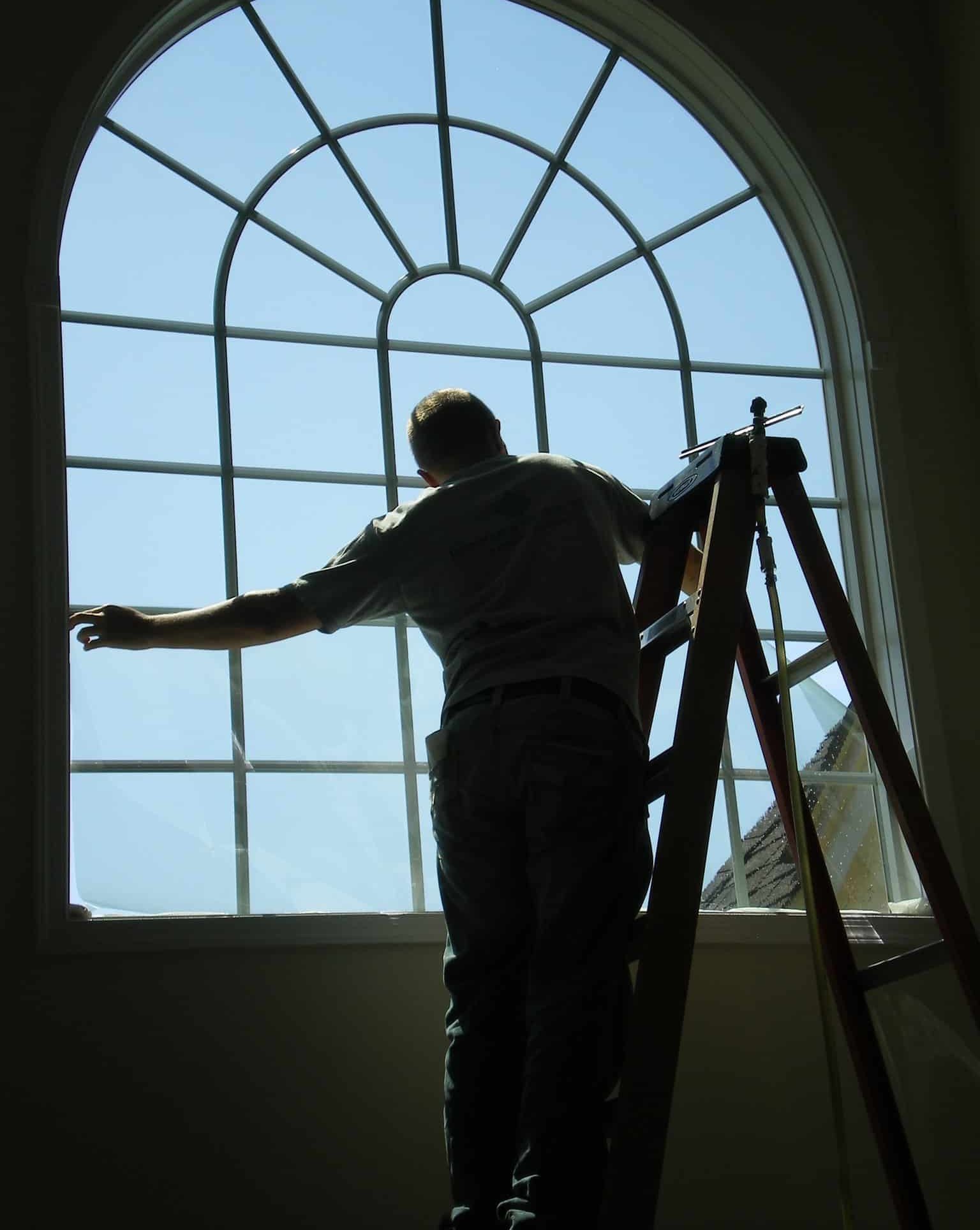
North Wales homeowners gain measurable cooling cost reductions and more consistent indoor temperatures throughout Pennsylvania's hot summers without...
It's 3 PM on a July afternoon in North Wales. The living room faces southwest, and by this hour the sun is punishing. The ceiling fan is running, the blinds are half-drawn, and the air conditioning has been running since noon. The hardwood floor near the bay window has that familiar warm feel underfoot, and the sectional that looked great five years ago is starting to show a fade line right where the afternoon sun hits it. You know the spot. You've probably moved a throw pillow to cover it.
This is the window film conversation. Not the abstract "save energy" pitch you see in national advertisements, but the specific, room-by-room problem that North Wales homeowners deal with every summer and, honestly, every bright winter afternoon too. Sun Control Specialists has been working in southeastern Pennsylvania for over 27 years, and the calls from North Wales follow a recognizable pattern: too much heat on the west side of the house, fading interiors, a home office where the monitor is unreadable by 10 AM, or a front door sidelight that the whole street can see through at night.
The good news is that solar control, UV blocking, security, and decorative window films address each of those problems directly. This guide walks through what works, what to watch out for, and how to match the right film to each window in your home.
Solar control window film reduces heat gain through glass by reflecting and absorbing solar energy before it enters your living space. For south- and west-facing windows, which take the hardest afternoon sun from late spring through early fall in this part of Pennsylvania, the difference is measurable. Air conditioning runs less, hot spots in corner rooms become livable, and the thermostat stays where you set it instead of chasing the sun around the house.
North Wales sits in a climate that swings hard. Winters are cold enough that you don't want to block too much passive solar gain, and summers are hot and humid enough that uncontrolled solar heat is a real cooling load. The right film accounts for both. Solar Gard window films installed by Sun Control Specialists can cut cooling energy consumption by up to 30% during Pennsylvania's peak summer months, without darkening the interior or sacrificing your view of the backyard.
Films like Solar Gard's Nano Ceramic Hilite are designed specifically for situations where visible light transmission matters. They reject heat without making the room feel like you pulled the shades. That's important on the north side of the house, where natural light is a selling point. It's also important in great rooms and open-plan living areas where the goal is comfort, not darkness.
For homeowners who've been running window air conditioning units longer than they should have to, or watching a second-floor bedroom become unusable by mid-afternoon, solar film is a direct fix. It doesn't require replacing windows. It works with the glass you already have.
Quick win you can do today: Walk your home at 2 PM on a sunny afternoon and identify which two or three rooms are noticeably warmer than the rest. Note the window orientation. Those are your priority windows for a solar film consultation.
UV radiation causes the majority of fading damage to hardwood floors, area rugs, upholstered furniture, artwork, and window treatments. Standard residential glass blocks very little UV on its own, and even low-e glass, which is common in newer North Wales homes, doesn't eliminate the problem entirely. The damage accumulates slowly, which is why it tends to register as a surprise rather than a warning.
Professional-grade window films from Sun Control Specialists block over 99% of ultraviolet rays. That number applies even to lighter, low-reflectivity films that look nearly clear from inside and out. You don't have to choose between protecting your interiors and maintaining the look of your windows. The UV blocking is built into the film substrate, not a function of how dark the film appears.
In North Wales homes with large windows, sun-facing great rooms, or second-floor master bedrooms with east-facing glass, this protection extends the lifespan of interior finishes significantly. Hardwood floors are expensive to refinish. Persian rugs don't recover from fading. The cost of a whole-house film installation is a fraction of what you'd spend replacing sun-damaged flooring and furniture over a ten-year period.
Artwork is another category homeowners tend to overlook until it's too late. If you have paintings, prints, or photographs hanging in rooms with direct sun exposure, even a few hours of daily UV exposure over several years causes visible color shift. UV-blocking window film is the simplest and least invasive way to address that risk.
Quick win you can do today: Look for a faded patch on a rug, floor, or piece of upholstery where direct sun hits regularly. If you see one, that window is already causing damage. Move the item, block the window temporarily with a shade, and schedule a film consultation before the next UV season compounds the problem.
Preservation-compliant window films protect North Wales interiors without altering the exterior appearance of the glass, which keeps them below the threshold of most HOA and historic district review requirements. This is one of the most common concerns we hear from homeowners in this area, and it's a legitimate one. Architectural review boards and HOA covenants often restrict changes to exterior appearance, and some homeowners assume window film will trigger a compliance review.
The reality depends on the film. A heavily mirrored or bronze-tinted exterior-reflective film will obviously change how your windows look from the street. But many solar control and UV-blocking films are designed to be nearly invisible from the exterior. They preserve the original look of the glass while still delivering performance on the interior side.
Some properties in and around North Wales fall under historic preservation guidelines, particularly in older neighborhoods where the original single-pane glass is considered part of the architectural character. Sun Control Specialists has direct experience working with historic glass, and our install protocol for older, more fragile panes is more conservative than what we'd use on modern double-pane insulated units. The film selection matters here too. Darker films absorb more solar energy, which can stress older glass. Lighter, less absorptive films are a safer fit for historic applications.
If you're unsure whether your property falls under HOA or preservation guidelines, we can advise on film selections that are almost universally accepted based on how they read from the exterior. The review threshold is typically tied to visible change in appearance, and the right film choice avoids that entirely. Review your HOA's architectural guidelines before the consultation, and bring the relevant section if you have access to it. That lets us work within your specific constraints from the start.
Security window film holds shattered glass together on impact, which slows forced entry and significantly reduces injury risk from broken glass. Standard residential glass, whether single-pane or double-pane, fractures into pieces on impact. Those pieces are both dangerous and, from a security standpoint, a solved problem for anyone trying to get through the window quickly.
Security film changes the dynamic. It doesn't make glass unbreakable, and any installer who tells you otherwise is overselling it. What it does is bond the fragments together even after impact, so the glass stays in the frame instead of falling away. That buys time during a break-in attempt and dramatically reduces the mess and injury risk during storm damage or accidents.
For North Wales homeowners, the most common applications are ground-floor windows on the rear or side of the house, sliding glass doors, and windows adjacent to exterior doors where someone could break the glass and reach the lock. Sun Control Specialists installs Solar Gard Armorcoat security films, which are available in thicknesses matched to the threat level and glass type. Thicker films installed with an anchoring attachment system at the frame perimeter perform significantly better than film applied only to the glass surface.
Decorative and solar control films are not security films. The terminology overlaps in casual use, but the products are different. If security is the primary goal for a specific window, it needs a film designed and rated for that purpose. Our anti-intrusion security film page covers the product options in more detail.
Quick win you can do today: Identify your three most vulnerable ground-floor windows, typically those screened by landscaping, not visible from the street, or close to door locks. Those are the first candidates for a security film evaluation.
Frosted, etched, and patterned decorative films solve privacy problems in bathrooms, entryways, and sidelights without blocking natural light. This is the category homeowners often discover late, usually after living with a bathroom window covered by an opaque shade for years, or realizing that the sidelights flanking their front door give anyone on the porch a clear view of the entry hall.
Decorative window film replicates the look of etched or frosted glass at a fraction of the cost of actual glass replacement. The visual result is nearly identical. From the interior, the light still comes through. From the exterior, the view is obscured. That balance, privacy without darkness, is what makes decorative film a practical upgrade for several specific window locations in a typical North Wales home.
Common applications include:
Pattern selection matters for historic properties. Sun Control Specialists carries options that work with both traditional and contemporary architectural styles. For a Colonial or Federal-style home in North Wales, a simple translucent white or light grey frosted film is usually the right call. For a more modern renovation, there are geometric and linear patterns that complement cleaner design lines. Explore the decorative film options for a better sense of what's available.
Every window in a house has a different job. The film selection should follow the window's orientation, the room's use, and the specific problem being solved. Here's a practical decision framework for North Wales homes.
The honest answer is that matching film to windows correctly requires an in-person assessment. Glass type, orientation, room use, and existing window treatments all affect the recommendation. A free consultation with Sun Control Specialists covers all of that before any commitment is made.
Pennsylvania's climate doesn't give you a pass. The summers are genuinely hot and humid, particularly through Montgomery County and the surrounding area where North Wales sits. July and August afternoon temperatures combined with high humidity push heat gain through glass into a real comfort and cost problem, not a theoretical one. The sun angle in late afternoon during those months drives intense solar radiation directly into west-facing rooms at exactly the time when the house has already been warming all day.
The winters add a wrinkle. Unlike a client in Phoenix who can block solar gain year-round without concern, a North Wales homeowner needs to think about passive solar heating in December and January. The right film for a south-facing window here is one that rejects summer heat without eliminating all winter solar benefit. Solar Gard's ceramic film options are well-suited to Pennsylvania's mixed climate because they perform selectively across the solar spectrum rather than simply blocking everything.
The historic housing stock in this part of Montgomery County also creates specific installation requirements. Older single-pane glass in Victorian, Colonial, and farmhouse-style homes requires a different approach than modern insulated double-pane units. Sun Control Specialists has worked on both throughout the southeastern Pennsylvania service area, and the protocol difference is meaningful. We don't treat a 100-year-old pane of glass the same way we treat a 2019 Andersen replacement window.
Local context matters. HOA communities in North Wales are active. Architectural review processes are real. The film selections we recommend for these communities account for exterior appearance from the start.
Sun Control Specialists has been installing window film in southeastern Pennsylvania for over 27 years. That history means we've worked on virtually every window type, home style, and installation scenario this region produces, from modern vinyl-framed double-pane glass in newer North Wales subdivisions to original single-lite panes in 19th-century farmhouses nearby.
We install Solar Gard and Armorcoat window films exclusively for residential applications. Solar Gard's product line covers solar control, UV protection, security, and decorative applications, which means we can address every window problem in a home with products from a single, consistently high-quality source. The films carry manufacturer warranties backed by a company with decades in the market.
Our residential service covers full window film installation for single-family homes across the Main Line, Montgomery County, Chester County, Bucks County, Delaware County, and selected Philadelphia neighborhoods. Most North Wales projects are completed in a single day with no disruption to your household. The film reaches full cure within a few weeks after installation, depending on temperature and humidity conditions.
There's no pressure to commit at the consultation. We measure, assess orientation and glass type, and recommend what actually fits your situation. If a film won't solve your problem, we'll tell you that too.
Here's what matters: North Wales homeowners dealing with afternoon heat, UV damage, privacy gaps, or window security vulnerabilities have specific, well-matched film solutions available without replacing any glass. Solar Gard window films installed by Sun Control Specialists address each of those problems directly, and the right match depends on orientation, room use, and glass type, which is exactly what an in-home consultation is designed to figure out.
Your next step: Request a free estimate from Sun Control Specialists or call (610) 735-7064.
It depends on the film and how it's matched to the window. Solar Gard's Nano Ceramic Hilite line, which Sun Control Specialists installs regularly in North Wales homes, is specifically designed to reject solar heat and UV radiation while maintaining high visible light transmission. Many clients describe the result as "like a slightly overcast day" rather than a darkened room. If preserving natural light is a priority, that's a core part of the film selection conversation during your consultation.
Pennsylvania tinting regulations apply only to vehicles. Residential window film has no statewide light transmittance restrictions. However, if your property is in an HOA-governed community or a historic district, your association's architectural guidelines may address exterior alterations. Sun Control Specialists can recommend films unlikely to trigger an HOA review based on their exterior appearance, and we advise reviewing your specific HOA documentation before the installation.
Solar Gard films installed by a certified professional carry manufacturer warranties covering adhesive failure, delamination, bubbling, and color change. The actual service life in southeastern Pennsylvania's climate varies by film type and glass orientation, but professionally installed film on interior glass surfaces typically performs for 15 years or more. DIY film applied without proper surface preparation and edge trimming degrades significantly faster.
Yes, but the protocol matters. Sun Control Specialists uses a more conservative installation approach for historic glass, including older single-lite panes common in North Wales properties built before the 1960s. Film selection is also adjusted: darker, more absorptive films can stress older glass by raising surface temperatures, so lighter films with lower solar absorption are preferred for preservation applications. This is one of the reasons an in-person assessment is essential before committing to a film type for a historic property.
Solar control film is designed to reject heat and UV radiation. It is typically 1.5 to 2 mil thick and has no meaningful impact on how glass behaves on impact. Security film, specifically Solar Gard Armorcoat, is a much thicker product, typically 4 to 14 mil, designed to bond glass fragments together after a break so the glass stays in the frame rather than falling away. The two products solve different problems. For ground-floor windows where forced entry or storm breakage is the concern, security film is the correct choice, and it can be combined with UV and solar performance in some product configurations. Learn more about anti-intrusion security film options for residential applications.