
Interactive Tool Try the Film Studio →
Call (610) 735-7064
Get an Instant Estimate
Mon to Fri · 9AM to 5PM
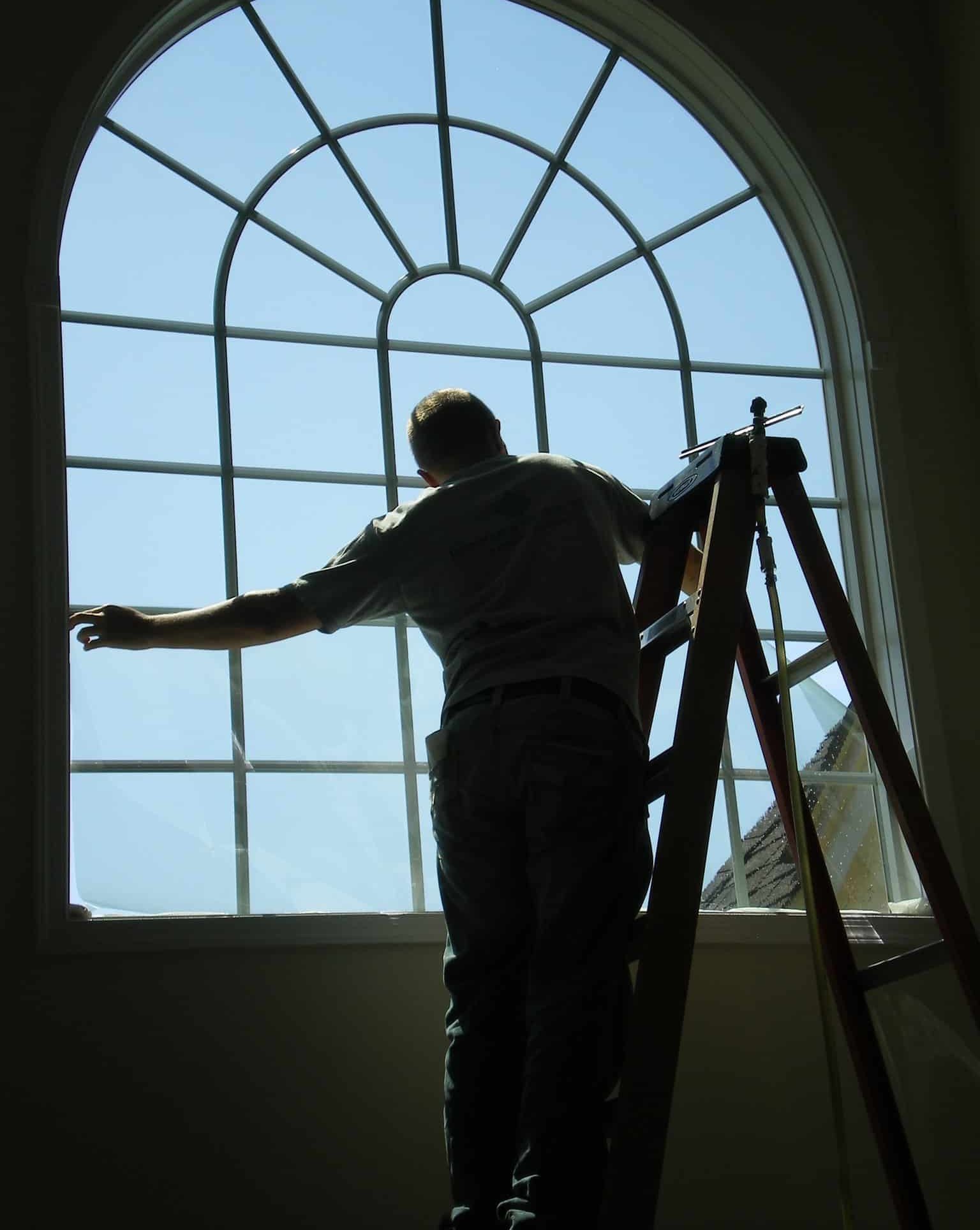
North Wales homeowners gain a clear understanding of which window film type solar, security, decorative, or privacy film addresses their specific...
It's the third week of July, and the west-facing family room in your North Wales home has become unusable by 4 PM. The blinds are down, the ceiling fan is spinning, and the air conditioner is fighting a losing battle against a wall of glass that's been collecting afternoon sun since noon. Meanwhile, the hardwood floor near that same window has started to show a color difference where the finish has faded out. You've thought about window treatments, but you don't want to block the light entirely. You want the view. You just don't want the heat, the glare, or the slow destruction of your floors.
That's a window film problem. Specifically, it's a solar control film problem on a west exposure, and it has a straightforward solution. But not every North Wales homeowner knows where to start, which film type addresses which problem, or whether their HOA will raise objections. This guide covers all of it: heat and UV control, security, privacy, decorative options, and what the installation process actually looks like from a professional perspective. Sun Control Specialists has been doing this work in Montgomery County and the surrounding area for over 27 years. The recommendations here are grounded in real houses with real glass problems, not generic advice that could apply anywhere.
Solar window film reduces the amount of heat and UV radiation passing through your glass without eliminating natural light. On a west-facing window in North Wales, a quality solar film can cut solar heat gain dramatically, lowering the surface temperature of the glass and reducing the thermal load your HVAC system has to manage. That's not a theoretical benefit. It's measurable in how long your air conditioner runs during a Pennsylvania July.
The way film works is straightforward. A thin polyester layer, coated with metallic or ceramic particles, bonds to the interior glass surface. It reflects and absorbs solar energy before it can radiate into the room. High-performance solar films from Solar Gard block over 99% of UV-A and UV-B radiation, which are the wavelengths primarily responsible for fading hardwood floors, wool rugs, upholstery, and artwork. UV rejection alone doesn't stop all fading since visible light and heat also contribute, but a quality film addresses all three factors at once.
For North Wales homes, south and west exposures are the primary concern. South-facing windows collect heat from late morning through mid-afternoon. West-facing glass takes the full punch of direct afternoon sun. East-facing windows are generally lower priority for solar control, though they may still need UV protection. Sun Control Specialists evaluates window orientation before recommending a specific film specification. A film that's right for a south-facing living room window may be more tint than you want on a north-facing bedroom.
Pennsylvania's four-season climate also means winter performance matters. Some low-emissivity film options help retain interior heat by reflecting radiant warmth back into the room during cold months. That's a year-round performance argument, not just a summer cooling fix. Many residential installations recoup their cost within three to five years through reduced HVAC load, depending on window count and orientation.
Security window film holds broken glass together after impact, slowing forced entry and reducing injury risk from shattered panes. It won't stop a determined intruder indefinitely, and it won't make your glass bulletproof. What it does is buy time. Glass that would normally explode inward on impact stays largely in the frame when Armorcoat security film is properly installed. That changes the math for a break-in attempt significantly.
For North Wales residential construction, the most relevant applications are ground-floor windows, sliding glass doors, and attached garage entry points. These are the access points that matter for both security and storm safety. During a severe Pennsylvania thunderstorm, a broken window can admit significant water damage in minutes. Security film reduces that risk by keeping the glass intact even when it cracks.
The film is installed on the interior glass surface and connected to the frame using an attachment system that prevents the glass from separating even under sustained pressure. This is a professional installation, not a DIY product. The edge work is what determines whether the film performs under real stress, and it has to be done correctly to provide any meaningful protection.
Homeowners sometimes ask whether security film is visible from the outside. The answer is no. It's optically clear, and properly installed, it's invisible from both sides. It doesn't change the appearance of the glass or the home's exterior, which matters for HOA-governed properties. You can learn more about anti-intrusion security film and the specific products Sun Control Specialists installs for residential applications.
One practical step you can take today: walk your ground floor and identify every window and door that a person could reach without a ladder. Those are your priority points if security is the concern driving your interest in film.
Privacy film gives street-facing or neighbor-facing rooms visual screening without requiring blinds, curtains, or opaque glass. The most common residential application is a frosted or etched-appearance film on bathroom windows, sidelights beside front doors, and street-facing rooms where you want light without exposure. It scatters light rather than blocking it, so the room stays bright while the view from outside becomes obscured.
There's an important distinction between daytime privacy film and true two-way privacy. Reflective one-way privacy film works during daylight hours when the exterior is brighter than the interior. At night, when interior lights are on, the effect reverses. If nighttime privacy is the primary concern, a frosted or opaque decorative film is the right call rather than a reflective solar film.
Decorative film goes further than just privacy. It can replicate the appearance of etched glass, stained glass, or geometric patterns on interior partitions, shower enclosures, sidelights, and home office glass panels. For North Wales homeowners with custom homes or distinctive interiors, decorative film is a way to add visual character to plain glass without the cost of replacement. Sun Control Specialists' decorative window film options cover a wide range of finishes and patterns.
Two quick wins you can act on today without calling anyone: first, stand in your street-facing rooms at different times of day and note exactly when visibility becomes a concern. Morning? Afternoon? Both? That tells you whether you need a daytime-only solution or a full-coverage frosted option. Second, check your HOA covenants for any language about window appearance or reflectivity. Bring that language to your estimate appointment so Sun Control Specialists can recommend a compliant film specification from the start.
North Wales homeowners in HOA-governed communities or historic districts can still use window film, but the film specification has to match the restriction language. Most HOA covenants that address windows are concerned with exterior reflectivity, visible tinting, or alterations that change the character of the home's street-facing appearance. Neutral and near-clear film options exist that deliver real solar and UV performance without crossing those thresholds.
Sun Control Specialists has direct experience with historic and association-governed installations in Montgomery County. The key is knowing which restrictions actually apply and selecting a film whose visible light transmission and exterior reflectivity fall within those parameters. A lightly tinted film at 70% visible light transmission looks nearly identical to untreated glass from the outside. It still blocks meaningful UV and takes some edge off solar heat gain. That's often enough to solve the comfort problem without triggering an HOA review.
For older homes with original single-pane glass, film selection requires an additional consideration. Certain high-absorption films can increase thermal stress on historic glass, which is typically thinner and more variable than modern glass. Sun Control Specialists recommends lower-absorption film options for original glass to avoid stress fractures. This is not a reason to avoid film on older homes. It's a reason to work with an installer who knows the difference.
Pennsylvania has no statewide restrictions on residential window film. Local zoning and HOA covenants are the only relevant review points for North Wales homeowners. If you need documentation for an HOA submission, Sun Control Specialists can provide product specification sheets and sample images that support an approval request. The third quick win for today: pull your HOA documents and locate the section on windows or exterior alterations. Knowing the specific language before your estimate saves time and avoids surprises.
Solar control, security, privacy, and decorative films are distinct product categories. Choosing the wrong one because the label sounds right produces disappointing results. The starting point is always the specific problem in the specific room, not a general desire to "tint the windows."
Here's a practical decision framework:
Sun Control Specialists provides written estimates that itemize the film type, specification, and scope for each window. You'll know exactly what's being installed and why before any work begins. That specificity matters. A glare problem on a home office window calls for a different product than a security need on a sliding door, and an installer who treats those as interchangeable is not doing the job correctly.
Explore the full range of window film installation services to see how different film types are applied across residential applications.
North Wales sits in a climate zone that demands year-round performance from window film, not just summer heat control. Montgomery County gets real winters. January lows average in the low 20s, and heating costs are a genuine concern for homes with large glass areas. A film that helps in July needs to not work against you in February. Low-emissivity film options that reflect radiant heat back into the room address both sides of the seasonal equation.
The local housing stock also creates specific considerations. North Wales includes newer construction with large, energy-code-compliant insulated glass units as well as older colonials and ranchers with original or early-replacement glass. The film approach differs depending on what you're working with. Double-pane low-e glass from a recent window replacement has different thermal dynamics than a 1970s aluminum-frame single-pane. Sun Control Specialists evaluates the actual glass before specifying film, which is the only way to get the recommendation right.
The Main Line and surrounding Montgomery County communities also have a significant number of HOA-governed neighborhoods and older homes with architectural character worth preserving. That's not a barrier to window film. It's a context that requires an installer who knows the difference between a film that respects the home's exterior and one that changes it. Sun Control Specialists covers North Wales and the surrounding area across southeastern Pennsylvania, including Montgomery, Chester, Bucks and Delaware counties.
Pennsylvania's sun angle and seasonal variation also mean that south-facing windows behave very differently in June versus December. Summer sun comes in at a high angle and hits south-facing glass hard. Winter sun comes in low and can actually be a passive heating benefit. The right film specification accounts for this rather than treating solar exposure as a constant.
Sun Control Specialists has been installing Solar Gard window film in southeastern Pennsylvania for over 27 years. That's not a marketing number. It's what it takes to develop real familiarity with the local housing stock, the regional climate, the HOA landscape in communities like North Wales, and the specific performance characteristics of the films being installed.
The product line runs the full spectrum of residential need. Solar Gard films cover solar control from lightly tinted near-clear options to performance films for high-heat exposures. Armorcoat security film addresses safety and forced-entry concerns. Decorative options handle privacy and interior design applications. Nano Ceramic Hilite film provides high-performance solar control with excellent visible light transmission, which is relevant for homeowners who want comfort without significant tint. The right product depends on the glass, the exposure, and the problem being solved.
Every estimate is written and specific. Homeowners receive a clear description of the film being recommended, why it fits their situation, and what to expect during and after installation. There's no guesswork about what's going on your glass.
For North Wales homeowners ready to address heat, fading, privacy, or security through professional window film, request a free estimate or call (610) 735-7064 to schedule a consultation.
Here's what matters: Window film is not a one-size-fits-all product. Solar control, security, privacy, and decorative films each solve different problems, and the right specification depends on your glass type, window orientation, and what's actually happening in the room. North Wales homeowners have access to the full Solar Gard product line through Sun Control Specialists, installed by a team with 27 years of southeastern Pennsylvania experience and direct familiarity with HOA and historic property considerations.
Your next step: Request a free estimate from Sun Control Specialists or call (610) 735-7064.
Properly specified film installed on double-pane glass is safe when the film's solar absorption characteristics are matched to the glass type. High-absorption films on certain sealed insulated glass units can increase thermal stress, which is why Sun Control Specialists evaluates the glass before recommending a product. Near-clear and low-absorption films are available that deliver meaningful UV and solar performance without that risk. This is one of the clearest reasons to work with an experienced installer rather than a DIY product.
Quality Solar Gard film installed professionally typically lasts 10 to 15 years or more on residential glass, depending on exposure and maintenance. South and west-facing windows take more UV and thermal stress, which affects film longevity over the long run. Proper edge sealing and professional installation extend service life significantly compared to self-applied film. Sun Control Specialists can provide warranty information specific to the product recommended for your installation.
Consumer-grade film is available at hardware stores, but the results are rarely comparable to professional installation. Bubbles, edge lifting, and premature adhesive failure are common with DIY application, particularly in Pennsylvania's temperature swings. Professional film also differs in raw material quality and coating durability. For a bathroom window where appearance matters less, a DIY product might suffice. For a large living room exposure where you want long-term solar performance, professional installation is the practical choice.
Solar film primarily addresses summer heat gain, but certain film options also improve winter performance by reducing radiant heat loss through the glass. Low-emissivity films reflect interior warmth back into the room rather than letting it escape through the glass surface. For North Wales homes that run significant heating costs from November through March, this is a relevant consideration when selecting film specification. Sun Control Specialists will factor your full seasonal exposure into the recommendation.
A typical residential installation covering several rooms takes one to four hours depending on window count and complexity. You don't need to leave the house. Windows should be cleared of interior treatments beforehand, and the glass surface needs to be clean and dry. After installation, a brief curing period applies during which the film may show minor hazing or small water pockets. These resolve on their own within a few days to a few weeks depending on temperature and humidity. Spring and fall installations in Pennsylvania generally cure the fastest due to moderate ambient conditions.