
Interactive Tool Try the Film Studio →
Call (610) 735-7064
Get an Instant Estimate
Mon to Fri · 9AM to 5PM
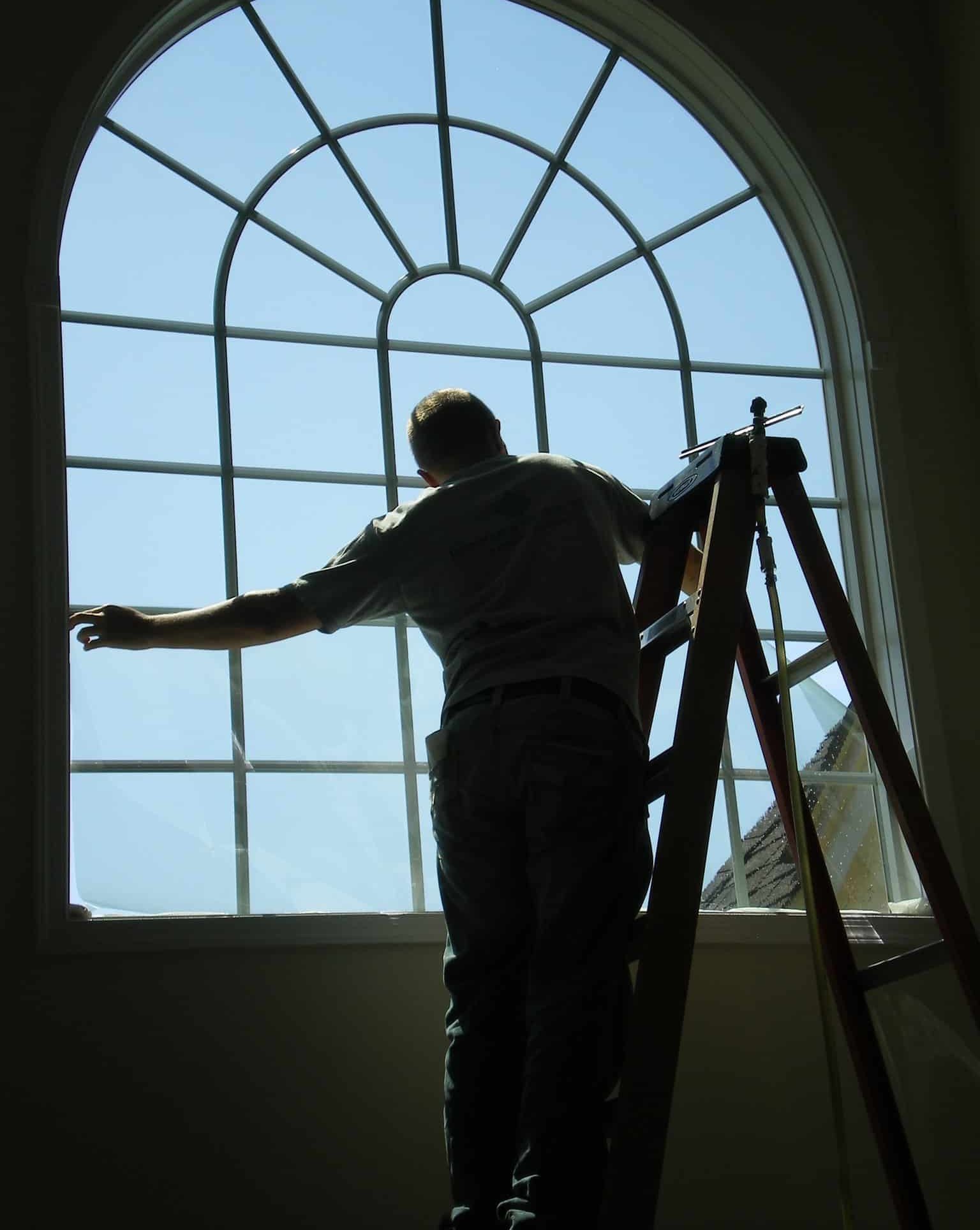
North Wales homeowners understand the clear difference between vinyl car wrap services and professional window film installation, avoiding wasted...
You typed something like "window film North Wales" into Google, and now you're not sure if you're looking at car wrap shops, home window tinting companies, or something else entirely. Maybe you wanted to stop the afternoon sun from cooking your living room, or you needed privacy glass for a bathroom window. Somehow you ended up on a page about changing your car's paint color. This happens constantly, and it's not your fault. The search terms overlap, the product categories sound similar, and plenty of businesses blur the line between them in their marketing.
Window film and vinyl wraps are not the same thing. They serve different purposes, go on different surfaces, and require different specialists. If you're a North Wales homeowner dealing with heat, glare, UV damage, privacy concerns, or glass security, you need a window film installer, not a vehicle wrap shop. Sun Control Specialists has been doing this work across Montgomery County and southeastern Pennsylvania for over 27 years, and this is the one thing we get asked about more than people might expect.
Here's what you actually need to know before you call anyone.
Window film is applied to glass surfaces to control light, heat, UV radiation, and visibility. Vinyl wraps are applied to painted exterior body panels to change a vehicle's color or finish. These products exist in completely separate categories, even though both involve applying a film-type material and both get lumped together in casual conversation.
A vinyl car wrap is essentially a large-format adhesive graphic that covers the exterior paint of a vehicle. The goal is cosmetic. You're changing how the outside of the car looks. It doesn't affect what comes through the windows, doesn't reduce heat inside the cabin, and has nothing to do with glass.
Window film goes on the glass itself, from the inside, and the purpose is functional: blocking solar heat gain, filtering UV rays, reducing glare, improving privacy, or reinforcing the glass against shattering. In a home, that means your hardwood floors stop fading, your living room stops turning into a greenhouse in July, and your bathroom window gives you actual privacy without replacing the glass.
For North Wales homeowners specifically, the confusion usually starts when someone searches for "film installation near me" without a clear category in mind. Wrap shops and window film installers both show up. They look similar at a glance. But a wrap shop that does vehicle exteriors is not equipped to install solar control film on your sunroom glass or security film on your sliding back door.
Sun Control Specialists works exclusively on glass. Residential windows, commercial storefronts, office buildings, and security-sensitive glass throughout southeastern Pennsylvania. If someone you called wants to talk about hood wraps and color changes, you've reached the wrong type of business for what you need.
Pennsylvania requires a minimum of 70% visible light transmission (VLT) on side and rear windows for passenger vehicles. That's one of the strictest standards in the country, and it catches a lot of North Wales residents off guard when they start shopping for automotive window film.
What does 70% VLT mean in practice? It means the glass must allow at least 70% of available light to pass through. Most aftermarket tints that people envision when they think of "dark tinted windows" don't come close to meeting that threshold. A film that blocks 50% of light transmission would be a 50% VLT film, and that's illegal on passenger car windows in Pennsylvania.
This limits your options significantly on the automotive side, which is why many people asking about window film for their vehicles ultimately realize the legal range is narrower than expected. There's still value in a legal automotive film because UV rejection and heat reduction don't require dark visible tint, but the aesthetic result is subtle.
On the residential and commercial side, there's no equivalent legal restriction on VLT. You can go as light or as dark as makes sense for the application, the glass type, and what you're trying to accomplish in the space. A south-facing bedroom in a North Wales home might benefit from a moderate solar film that cuts heat without darkening the room significantly. A conference room with a western exposure might want something with stronger glare reduction. The right film depends on the glass, the orientation, and what problem the room is actually having.
Sun Control Specialists always works within legal compliance on automotive applications. On residential and commercial jobs, we assess the specific glass and exposure before making any film recommendation.
Solar window film blocks up to 99% of UV radiation, which is the primary cause of fading in hardwood floors, carpeting, upholstered furniture, and window treatments. If your North Wales home has south or west-facing windows, UV exposure is constant during peak daylight hours, and the damage accumulates slowly enough that most homeowners don't notice until the fading is significant.
Think about the parallel to a vinyl vehicle wrap. One reason people wrap cars is to protect the original paint from UV oxidation and surface damage. The wrap takes the hit so the paint underneath stays intact. Solar window film does the same thing for your interior finishes. The film absorbs and reflects the UV load so your floors and furniture aren't bearing it directly.
Beyond UV protection, solar film reduces solar heat gain through glass, which is where a lot of residential comfort problems originate. A room that faces west in a North Wales home can gain substantial heat by mid-afternoon in summer, even with the blinds partially closed. Film addresses that at the source, at the glass, rather than relying on interior window treatments to compensate after the heat is already in the room.
Here are three things you can do right now before calling anyone:
Solar Gard residential film from Sun Control Specialists is available in a range of visible light transmission levels, so you don't have to sacrifice natural light to get heat and UV control.
Security window film doesn't make glass unbreakable. It keeps broken glass in the frame instead of exploding inward or outward on impact. That's the distinction that matters, and it's worth being direct about it before someone buys security film with the wrong expectations.
When glass breaks, the danger isn't just the break. It's the shards. Security film bonds to the glass with a strong polymer layer that holds the broken pieces together even after impact. This applies whether the force is a storm, a thrown object, an accidental impact, or a forced-entry attempt. The glass cracks, but it stays in place rather than collapsing.
For North Wales homes, the most relevant applications are usually ground-floor windows and sliding glass doors. These are the points of entry most likely to be targeted in a break-in, and they're also the windows most exposed to storm debris during a severe weather event. Security film from Sun Control Specialists adds meaningful protection to those surfaces without changing how the glass looks. It's transparent and doesn't alter the view or the aesthetics of the window.
Security film buys time. In a forced-entry scenario, a window that holds together even after impact forces an intruder to work visibly and loudly rather than making a quick, quiet entry. That delay changes the risk calculation significantly. It's not a guarantee, but it's a real, measurable change to the glass behavior that plain glass simply doesn't offer.
This is a different product category entirely from solar or decorative film, and it requires a specific installation protocol to perform correctly. Sun Control Specialists installs Armorcoat security film, which is the Solar Gard product line designed specifically for this application.
Decorative window film gives North Wales homeowners frosted, etched, or patterned glass effects without replacing the glass or committing to a permanent change. It's applied to interior glass surfaces and can be repositioned or removed without damaging the glass underneath.
The most common residential applications are bathroom windows, sidelights next to front doors, and glass panels inside the home where privacy matters but you still want light transmission. Frosted glass replacement is expensive and permanent. Decorative film achieves a nearly identical visual result at a fraction of the cost, and if your needs change, the film can come off.
For North Wales homeowners who have sidelights that show a direct line of sight into the front entry, or a bathroom window that faces a neighboring property, decorative film solves the problem cleanly. You get the light, you lose the visibility, and the exterior appearance of the home doesn't change.
Opacity and pattern options are more varied than most homeowners expect. You're not limited to basic frosted white. Sun Control Specialists can discuss specific privacy levels and pattern options based on your window and what you're trying to accomplish in the space. Some applications need full privacy. Others just need to break up the clear sight line without going completely opaque. The film can be matched to that need.
To explore what's available, the decorative window film page covers the product options in more detail.
Most North Wales homeowners need one of three things when they reach out about window film: heat and UV control, privacy, or glass security. A few need more than one. Here's a straightforward way to sort out which direction applies to your situation before you call anyone.
The window film installation page gives an overview of the full range of applications Sun Control Specialists handles.
North Wales sits in Montgomery County, which means sun exposure patterns that vary a lot depending on your lot orientation, your neighborhood's tree cover, and whether you're dealing with an older home or a newer construction with larger glass panels. Older Main Line and Montgomery County homes often have original single-pane glass in historic wood frames that responds differently to film than modern double-pane low-e glass does.
Historic and older glass requires a more conservative installation protocol. Certain films can trap heat in older single-pane glass and cause thermal stress if the film spec isn't matched correctly to the glass type. This is exactly the kind of assessment that separates an experienced regional installer from a national chain that runs the same film on every job regardless of the glass it's going on.
Southeastern Pennsylvania also has genuine four-season sun exposure. Winter sun is lower on the horizon, which means it can drive significant glare into east and west-facing rooms even in January. Summer sun on a southern exposure is intense enough to make certain rooms nearly unusable without interior shading. Film addresses both scenarios at the glass itself, which is a more permanent and lower-maintenance solution than seasonal blinds or curtains.
Sun Control Specialists serves North Wales and the surrounding Montgomery County area, along with Bucks County, Chester County, Delaware County, and selected Philadelphia neighborhoods. If you're in our service area, an in-person estimate is the right starting point. We assess the glass, the exposure, and the specific problem before recommending any product.
Sun Control Specialists has been installing Solar Gard window film in southeastern Pennsylvania for over 27 years. We work on residential glass, commercial storefronts, office buildings, and security-sensitive applications. We don't do automotive body wraps, we don't do paint protection film on vehicle exteriors, and we don't try to be everything to everyone. Window film on glass is the work we do, and we know it well.
The Solar Gard product line covers every application a North Wales homeowner is likely to need: solar control film for heat and UV reduction, Armorcoat security film for glass reinforcement, and decorative film for privacy and aesthetics. For Panorama PRO series film with Panorama PremierPlus Warranty coverage, we carry those products as well for clients where that level of specification matters.
If you've been going in circles trying to figure out who handles what, we're the answer for glass. Request a free estimate and we'll assess your windows directly. Or call us at (610) 735-7064 to talk through what you're dealing with before scheduling anything. You can also review our Solar Gard product information to get a sense of what we install before we meet.
Here's what matters: Window film and vinyl wraps are completely different products serving completely different purposes. If you're a North Wales homeowner dealing with heat, UV damage, privacy, or glass security, you need a window film specialist. Sun Control Specialists installs Solar Gard window film on residential and commercial glass throughout Montgomery County and southeastern Pennsylvania, and has done this work for over 27 years.
Your next step: Request a free estimate from Sun Control Specialists or call (610) 735-7064.
Sun Control Specialists focuses on residential and commercial window film for glass surfaces in homes and buildings. Automotive window tinting on vehicles is a separate specialty. If you're looking for solar control, UV protection, security film, or decorative film for your home or business in the North Wales area, that's exactly what we do.
Pennsylvania requires passenger vehicle side and rear windows to allow at least 70% visible light transmission. This is stricter than most other states and significantly limits how dark a legal automotive tint can be. Homeowners and vehicle owners researching tint often don't realize this until they start shopping. There is no equivalent VLT restriction on residential or commercial window film.
Most residential solar films are designed to be low-profile from the exterior. Some have a slight reflective or neutral tint visible from outside, but the appearance change is typically minimal. The bigger effect is on the interior: reduced heat, reduced glare, and reduced UV exposure. Films with very high visible light transmission are available for homeowners who want UV and heat protection without any visible change.
Yes. Decorative window film is removable and doesn't permanently alter the glass. It can be taken off without damaging the glass surface underneath. This makes it a practical alternative to frosted or etched glass for homeowners who want privacy in a bathroom, sidelight, or interior glass partition without committing to a permanent change. Learn more on the decorative window film page.
Security film bonds to glass with a strong polymer adhesive layer that holds broken glass pieces together on impact instead of allowing them to shatter inward or outward. It doesn't prevent glass from cracking, but it changes the behavior of the glass significantly when force is applied. The film is transparent and doesn't alter the appearance of the window under normal conditions. It's an invisible upgrade to the structural behavior of the glass. For more detail on this application, see the anti-intrusion security film page.