
Interactive Tool Try the Film Studio →
Call (610) 735-7064
Get an Instant Estimate
Mon to Fri · 9AM to 5PM
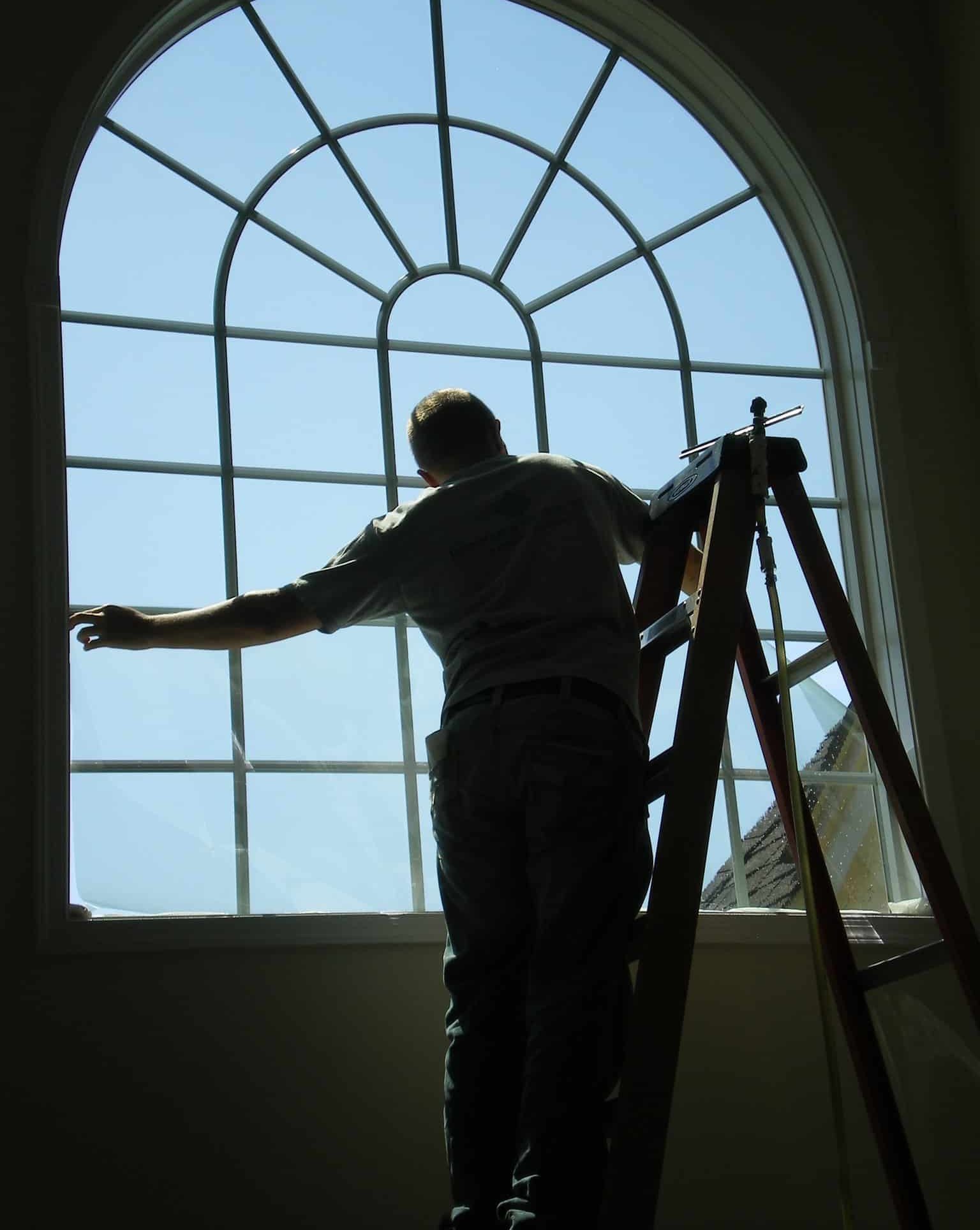
Homeowners in Northeast Philadelphia and North Wales gain a clear, locally specific framework for evaluating residential window film costs, film types,...
It's 7 PM on a Tuesday in late July. You closed the blinds on the west-facing living room at 3 PM, but the room still feels like a greenhouse. The PECO bill arrived last week and it was ugly. Your hardwood floors have that faded stripe running across the center of the room where the afternoon sun hits every single day. You've got a neighbor's house about twelve feet away on the south side, and the bathroom window situation has never felt great. Sound familiar? This is a very specific set of problems, and it's common to split-levels and two-story colonials in Northeast Philadelphia neighborhoods like Somerton, Bustleton, and Fox Chase, as well as the suburban developments that fill in around North Wales and Lansdale. The houses were built well. But they weren't built with modern UV load or summer cooling costs in mind. Window film is one of the few upgrades that addresses several of these problems at once, without replacing your windows, changing your exterior appearance, or requiring a week of construction. Here's what Pennsylvania homeowners in these areas actually need to know before making a decision.
Window film installed on residential glass reduces solar heat gain, blocks UV radiation, controls glare, and in some configurations adds a meaningful privacy layer. For homes with south- or west-facing rooms, the heat reduction alone can make a room usable again in July and August. The UV protection works year-round, which matters more than most homeowners initially expect.
Here's the breakdown by problem type:
Winter performance is worth mentioning too. Low-emissivity solar control films add a measurable insulating layer that slows heat loss through the glass itself. Pennsylvania winters are cold enough that this isn't a minor footnote.
The right film depends on the glass, the room's orientation, and the specific problem you're trying to solve. There isn't one product that does everything optimally. Sun Control Specialists installs Solar Gard product lines, which are engineered for the heat rejection and optical clarity demands of suburban Pennsylvania homes. Here's how the main categories break down for this market:
Solar control ceramic films are the best fit for south- and west-facing rooms in the two-story homes typical of North Wales, Horsham, and Huntingdon Valley. Ceramic films reject heat without significantly darkening the glass. The Nano Ceramic Hilite line from Solar Gard performs well in this climate's extreme range between 95-degree August heat and below-freezing January nights. If your priority is keeping rooms cooler without sacrificing natural light or changing how your home looks from the street, ceramic solar control is where to start.
Security film is specifically relevant in denser Northeast Philadelphia blocks where window vulnerability is a concern. Anti-intrusion security film doesn't make glass unbreakable. What it does is keep broken glass in the frame longer, buying time and slowing forced entry. In a row of attached twins or a street-facing first-floor window, that delay matters. Solar Gard's Armorcoat security film can be installed as a standalone product or combined with a solar control layer.
Decorative and privacy films work well on bathroom windows, sidelites next to entry doors, and basement-level windows where light is less critical. Decorative window film options include frosted, etched, and patterned finishes that give a permanent privacy solution without window treatments.
One practical note: glass composition matters. Some double-pane units, particularly older low-e glass, have coating compatibility requirements that affect which films are safe to install. Sun Control Specialists evaluates glass type before recommending a product, specifically to avoid thermal cracking or delamination risks in Pennsylvania's temperature swings.
Pennsylvania state law doesn't regulate residential window film at all. The state's VLT statutes cover vehicles only. Your home is not subject to any Pennsylvania-wide tinting restriction. That said, this question has a local nuance that's worth understanding before you schedule installation.
Planned communities in Montgomery County and civic associations in parts of Northeast Philadelphia sometimes include exterior modification clauses in deed restrictions or HOA bylaws. These aren't state regulations. They're private agreements that vary significantly from one development to the next. Some are specific about reflectivity. Some reference window appearance from the street. Most were written before residential window film was common and don't address it directly at all.
The practical approach: pull out your HOA documents or deed restrictions and look for language about exterior alterations, windows, or glass. If the language is vague or absent, you're probably fine. If there's a design review process, the right move is to get film specs in writing from Sun Control Specialists and submit them through whatever approval process your community requires. Most solar control films are low-reflectivity and visually neutral from the outside, which makes HOA approval straightforward in the vast majority of cases.
If you're not sure where to look in your documents, contact Sun Control Specialists before installation. This is a question that comes up regularly in the North Wales and Horsham markets, and we can help you figure out what approvals, if any, are actually needed.
The biggest mistake is choosing film based on darkness rather than performance specs. A darker film is not automatically a better heat-rejecting film. Ceramic films can reject substantial solar energy at a visible light transmission that still looks close to clear glass. Buying the darkest available product because it seems like it would block more heat often results in a room that's dim, feels closed in, and still transfers more heat than a lighter ceramic alternative would have.
Three other mistakes that show up frequently in this market:
For most Northeast Philadelphia and North Wales homeowners dealing with heat, fading, or privacy problems, window film is a practical and cost-effective solution. The question is usually not whether to do it, but which product fits the specific problem and which windows to prioritize first.
Here are three things you can do right now, before calling anyone:
Once you have that picture, a consultation with Sun Control Specialists gives you specific film recommendations for each exposure, an itemized quote so you understand exactly what drives the cost, and a realistic expectation of what changes after installation. See our residential window film installation services for the full scope of what we cover.
Pennsylvania's four-season climate puts window assemblies under real stress. A film that performs well in a mild coastal climate may not hold up through the combination of a 97-degree August afternoon and a 12-degree January night. The thermal cycling Pennsylvania homes go through from season to season is one reason glass compatibility assessment isn't optional, it's part of a responsible install.
The housing stock in Northeast Philadelphia and the North Wales corridor is also specific in ways that matter for film selection. Split-levels and colonials built in the 1970s through 1990s often have large, unobstructed glass on south and west exposures, early double-pane units with minimal UV filtration, and layouts where one or two rooms bear the entire solar load for the home. That's a different situation than a new construction home with modern low-e coating and smaller windows throughout.
The decorative and privacy side of the business is also relevant here. Northeast Philadelphia's denser neighborhoods have homes close together and a lot of street-facing glass. North Wales developments built in the 1990s often have prominent entry sidelites and bathroom windows with inadequate privacy. These aren't small problems. Film solves them without construction and without blocking light entirely.
Sun Control Specialists serves the full stretch of southeastern Pennsylvania, including Montgomery County, Northeast Philadelphia, Bucks County, Chester County, and Delaware County. You can see the full service area coverage for specific locations.
Sun Control Specialists has been installing window film across southeastern Pennsylvania for over 27 years. That history matters because window film performance is directly tied to installation quality, and installation quality is built through repetition and local knowledge, not through catalog familiarity.
We install Solar Gard and Armorcoat products, which are appropriate for the thermal demands of Pennsylvania's climate. Solar Gard's Nano Ceramic Hilite line handles the heat rejection needs of suburban homes with large glass exposures. Armorcoat security film is the right call for street-level or high-vulnerability windows in denser neighborhoods. Decorative film options cover the privacy and aesthetic side without requiring window replacement.
Every installation starts with a glass assessment. We don't recommend a product before we understand what glass it's going on. That process is what prevents the compatibility problems that show up in poorly planned installs.
We provide itemized quotes. You'll understand exactly what's driving the cost before you commit to anything. No vague per-window estimates. No surprises at install.
For homes with HOA considerations, we can provide product specs in writing to support your approval process. This is a routine part of what we do in Montgomery County planned communities.
Here's what matters: Northeast Philadelphia and North Wales homeowners dealing with heat, fading, high cooling costs, or privacy problems have a practical and permanent solution in residential window film. The right film type depends on your glass, your home's orientation, and the specific problem you're solving. Sun Control Specialists installs Solar Gard solar control, security, and decorative film across southeastern Pennsylvania with a glass-first assessment process that ensures the product performs long-term through Pennsylvania's demanding climate.
Your next step: Request a free estimate from Sun Control Specialists or call (610) 735-7064.
Most solar control films, especially ceramic grades, are visually neutral from the exterior. From the street, treated windows typically look similar to standard double-pane glass with a slight tint at most. Reflective films are a different story and are generally not recommended for residential applications in HOA communities for this reason. Sun Control Specialists will show you samples and discuss exterior appearance before recommending any product.
In most cases, yes. But certain early double-pane units require a careful film selection to avoid thermal cracking, which is a real risk when the wrong adhesive or film type traps heat unevenly in the glass. Sun Control Specialists assesses glass composition before recommending a product. Don't skip this step if your home has older windows of unknown specification.
Quality Solar Gard films are warranted for the life of the product under normal residential conditions. Actual longevity depends on glass orientation, sun exposure, and installation quality. South- and west-facing windows that take direct sun load year-round may age faster than sheltered exposures. Proper edge sealing during installation is one of the factors that most affects long-term adhesion in climates with significant temperature swings.
Low-emissivity solar control films slow heat loss through the glass pane during cold months. Pennsylvania winters are cold enough that this effect is meaningful, particularly on older double-pane windows with lower insulating values. The film doesn't replace proper insulation or weatherstripping, but it adds a layer that wasn't there before. Think of it as a consistent secondary barrier that works in both directions across seasons.
DIY film kits exist, but professional installation is a different category of product and process. The films Sun Control Specialists installs are commercial-grade Solar Gard products not sold at home improvement stores. Beyond the product quality difference, professional installation covers proper surface preparation, adhesive activation, edge sealing, and glass compatibility verification. In Pennsylvania's climate, an improperly installed film is a film that bubbles, delaminates, or fails within a few years. The installation is where the warranty is either earned or voided.