
Interactive Tool Try the Film Studio →
Call (610) 735-7064
Get an Instant Estimate
Mon to Fri · 9AM to 5PM
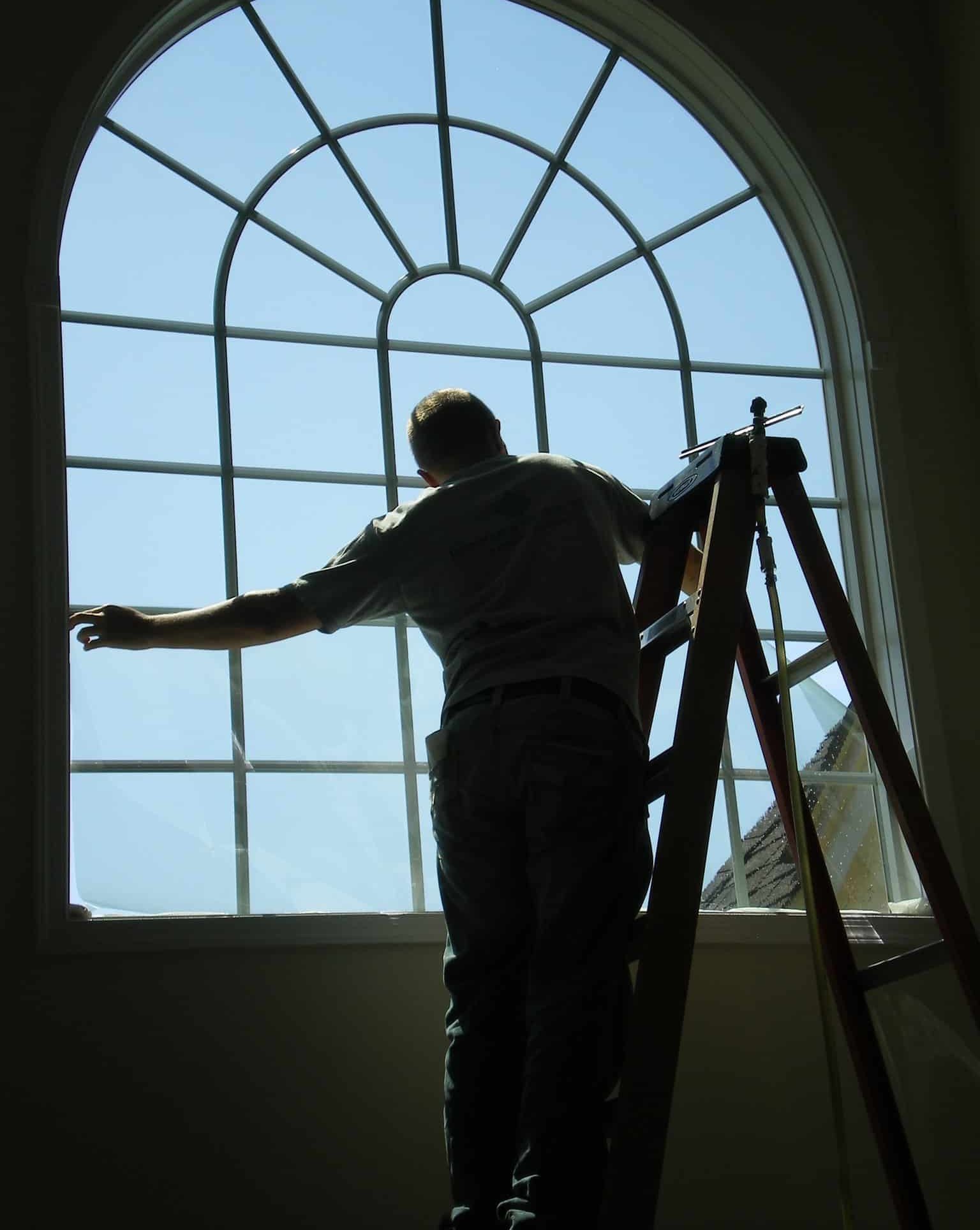
North Wales homeowners gain a clear, locally accurate framework for choosing the right film type based on Montgomery County climate conditions rather...
It's mid-July, a Tuesday afternoon, and the west-facing living room in your North Wales colonial feels like it's running a few degrees warmer than the rest of the house. The blinds are halfway down because full sun on the sectional bleaches the fabric, but now the room is dark and uninviting. Your HVAC has been running since noon. The floor in that room, a stretch of red oak you refinanced partly to afford, has a faded strip running parallel to the window that wasn't there three years ago. You've been meaning to do something about it. You're just not sure what "something" actually is or whether the investment makes sense for your specific house.
That scenario plays out in homes across Montgomery County every summer. North Wales sits squarely in a mixed-climate zone where south- and west-facing glass is genuinely punishing from May through September, and where cold winters mean you don't want to sacrifice warmth chasing summer savings. The right window film addresses both. The wrong film, or the wrong installer, creates a different set of problems.
This guide covers what North Wales homeowners specifically need to know before buying: film types that perform in this climate, what regulations actually apply here, how costs vary, and how to find an installer worth trusting. No generic national advice. No filler.
Window film reduces solar heat gain, blocks UV radiation, and in some cases improves glass safety, all without replacing windows. For a North Wales home with problematic south- or west-facing glass, that means measurable comfort improvement and direct protection for floors, furniture and artwork. It is not a marketing claim; it is physics applied to glass.
Solar energy enters through glass in three forms: visible light, infrared heat and ultraviolet radiation. Standard double-pane windows stop very little of any of them. Quality solar control films interrupt all three to varying degrees depending on the film type and construction. A well-selected film on your worst west-facing window can drop the surface temperature of that glass significantly and reduce the radiant heat load on anyone sitting near it.
UV protection is where the return on investment is often most visible, quite literally. Quality films block up to 99 percent of UV-A and UV-B radiation. UV damage to hardwood floors, upholstery and artwork is cumulative and irreversible. The faded strip on that red oak floor cannot be undone by adding film later; it can only be stopped from getting worse. Installing film before finishes degrade is not a luxury decision for a North Wales homeowner with quality interior materials. It's basic preservation.
Some films also provide a safety benefit by holding broken glass together after impact. That matters for ground-floor windows and sliding glass doors, and it's worth asking about when you're already getting a residential installation quoted. More on that below.
Quick win #1: Walk your home on a sunny afternoon and press your palm flat against each south- and west-facing window. If the glass feels noticeably warm to the touch, that heat is transmitting directly into the room. Note which windows fail that test. Those are your priority candidates for film.
For North Wales and the broader Montgomery County climate, ceramic films and advanced multi-layer solar control films outperform basic dyed films in both performance and longevity. The reason is straightforward: this is not a warm-weather-only market. Summers push into the 90s with humidity that makes radiant heat from glass feel oppressive. Winters are cold enough that you want glass to hold some warmth rather than bleed it out. A film that performs well in both directions earns its cost faster.
Dyed films are the least expensive option and they work adequately for basic glare reduction. The problems are durability and performance ceiling. Dyed films fade over time, sometimes developing a purple cast after extended sun exposure. They offer limited benefit in winter and provide no real thermal insulation value. For a Montgomery County home where you're running heat from November through March, that limitation matters.
Ceramic films and the advanced multi-layer films available through the Solar Gard lineup reject solar heat in summer while reducing radiant heat loss in winter. That dual-action performance is what makes them the right match for southeastern Pennsylvania's climate. The Nano Ceramic Hilite line, for instance, delivers high heat rejection without heavily darkening the glass, which matters for homes where natural light is part of the interior design intent.
Film selection also depends on your existing glass. Low-e double-pane glass, which is common in homes built or renovated in the past 20 years in the North Wales area, has specific compatibility requirements. Not every film pairs safely with every glass type. Thermal stress from certain films on certain glass configurations can cause seal failure or cracking. A qualified installer evaluates this before recommending anything, which is another reason DIY film purchases from big box stores carry real risk.
Quick win #2: Pull out any documentation from your window manufacturer or builder and look for the terms "Low-E," "low-emissivity" or a glass coating description. If you have Low-E glass, bring that information to your consultation. It directly affects which films are appropriate and rules out some options you might otherwise consider.
Pennsylvania has no state law restricting residential window film darkness or reflectivity. Unlike vehicle window tinting, which carries strict PA regulations on visible light transmission, home window film is essentially unregulated at the state level. For most North Wales homeowners, that means you have wide latitude in what you can install.
The exception is HOA communities, and North Wales and the surrounding Montgomery County corridor have a meaningful number of planned developments with active governing documents. Some of those documents include aesthetic standards around exterior glass appearance, specifically around reflective coatings that could alter the visual character of a neighborhood. If your home is subject to HOA oversight, reviewing those documents before installation is a sensible step, not a bureaucratic formality.
Highly reflective films are the ones most likely to generate an HOA flag. The good news is that most performance films available today, including the Solar Gard lines Sun Control Specialists installs, are available in low-reflectivity versions that deliver strong heat rejection without creating a mirrored exterior. There is usually a film option that satisfies both the homeowner's performance goals and any community visual standards.
Sun Control Specialists has worked with homeowners across Montgomery County who needed to navigate exactly this situation. Knowing what the HOA restrictions actually say, rather than assuming, is the starting point. Most restrictions are more flexible than homeowners expect once you're looking at the right film category.
Borough-level permits are not typically required for residential window film installation in this area. The work is non-structural and does not require an inspection. If you're unsure, a quick call to North Wales Borough or your township office takes five minutes and gives you a definitive answer before you sign any contract.
Residential window film pricing depends on window count, glass dimensions, accessibility and film grade, not just square footage. A North Wales colonial with 24 standard double-hung windows is a very different project from a newer construction home in the Lansdale or Montgomeryville area with a two-story great room wall and oversized picture windows, even if the total glass area is similar on paper.
Here's what actually moves the number on a quote:
National average price ranges you find online are not useful for planning a Montgomery County project. The range is wide enough that it tells you almost nothing specific. A site-specific quote from Sun Control Specialists gives you a real number tied to your actual windows. That's the only figure worth planning around.
Quick win #3: Before you call for a quote, count your windows by room and note which ones face south or west. Also note any that are unusually large, arched or above the first floor. That five-minute audit makes your consultation faster and the resulting quote more accurate.
If you're already having solar control film installed on ground-floor windows, adding security or safety film to those same windows at the same time is the most cost-efficient way to get both benefits. Mobilizing an installer twice for two separate projects costs more than addressing both in a single visit.
Security and safety window film holds broken glass in place when the pane is struck. It does not make glass unbreakable. What it does is significantly slow penetration during a forced entry attempt and contain dangerous shards during accidental breakage. For a ground-floor window or a sliding glass door, that containment has real value in two different scenarios: a break-in attempt and a ball or debris impact.
The mechanism is simple. Standard glass, when broken, falls away immediately. A window secured with safety film stays in the frame, even fractured. That buys time during a forced entry, which is often enough to deter a burglar who expected quick access. It also eliminates the injury risk from flying glass during an accident.
North Wales is not a high-crime area, but residential break-ins across Montgomery County do occur, and ground-floor glass is almost always the point of entry. Safety film is not a replacement for a security system or solid locks. It is a layer that makes the glass itself less cooperative. Many homeowners who start with a solar film consultation end up adding safety film to at least their first-floor sliding doors once they understand what it actually does.
North Wales sits in a climate band that puts real demand on residential glass. Summer sun angles in southeastern Pennsylvania are steep enough that south- and west-facing windows absorb direct radiation for the majority of the afternoon. That's not a minor comfort issue; it's the difference between a room you use and a room you avoid from noon onward.
The housing stock in Montgomery County adds its own context. Older colonials and split-levels in the North Wales and Lansdale corridor often have original or older replacement windows with no Low-E coating and no meaningful solar control built in. Newer construction in communities like Gwynedd or Blue Bell tends toward large-format glazing that maximizes light but also maximizes heat gain. Neither is inherently a problem, but both benefit from film in different ways and require different installation approaches.
Historic homes in Montgomery County, including the stone farmhouses and older construction that appear throughout this area, need a conservative protocol. Original glass is irreplaceable and fragile. The thermal expansion properties of old single-pane glass require film selection and application methods that differ from modern glass installs. Sun Control Specialists has handled historic glass across southeastern Pennsylvania and understands what that work requires. It is not the same job as a standard residential installation, and it should not be quoted or executed like one.
Regional experience matters because local glass types, sun exposure patterns and community expectations all factor into a film recommendation that actually works. You can find that combination through Sun Control Specialists, which has been serving southeastern Pennsylvania for more than 27 years.
Sun Control Specialists is a dedicated window film company, not a general contractor who films windows as a sideline. That distinction matters. Proper installation is what separates a film that performs for 15-plus years from one that bubbles, peels or lifts at the edges within a few seasons.
The company installs Solar Gard window film across the full product range, from basic solar control films to the Nano Ceramic Hilite line for homeowners who want high performance without heavy darkening, to Armorcoat security films for safety and anti-intrusion applications. Decorative film options are also available for privacy, light diffusion or design purposes.
With more than 27 years serving the Main Line, Bucks County, Chester County, Montgomery County and Delaware County, the team knows what glass types appear in local construction, what HOA environments typically require and how to handle the historic and estate glass common in this region. Warranty coverage on both film and labor is provided in writing. There are no surprises after the job is done.
For North Wales homeowners ready to stop managing heat and UV damage with blinds and curtains, a site visit and accurate quote is the right first step. Request a free estimate or call (610) 735-7064 to schedule a consultation.
Here's what matters: North Wales homeowners dealing with heat, fading or privacy issues through their glass have real, durable solutions available in residential window film. The right film type for this climate is a dual-action ceramic or advanced solar control film, not a basic dyed option. Pennsylvania has no residential film restrictions, but HOA documents are worth checking before installation begins. Pricing varies by project specifics, and a site-specific quote is the only number worth trusting.
Your next step: Request a free estimate from Sun Control Specialists or call (610) 735-7064.
Not necessarily. Film selection determines how much visible light passes through, and modern ceramic films like the Nano Ceramic Hilite reject significant heat while maintaining good natural light transmission. The right film depends on your specific windows, the room's light needs and what problem you're primarily solving. A qualified installer walks you through options at the time of the site visit rather than defaulting to a one-size approach.
Certain films can cause thermal stress on specific glass types, particularly reflective or dark films applied to Low-E glass in enclosed spaces. This is why glass type evaluation is part of the installation process at Sun Control Specialists. When the correct film is matched to the correct glass, damage is not a concern. The risk comes from DIY installation or installers who skip the compatibility assessment.
Some window manufacturers include language about film installation in their warranties. This varies by manufacturer and product line. It's worth checking your window documentation before installation. In most cases, professionally installed film from an approved manufacturer does not void a window warranty, but confirming that with your window company directly is the right step if you have a concern.
Quality ceramic and multi-layer films from Solar Gard are designed to perform for 15 years or more in residential applications. Basic dyed films have shorter useful lives and may show color shift or adhesion degradation sooner. The installation quality matters as much as the film itself. Edges that are properly trimmed and sealed hold significantly longer than rough or oversized cuts. Warranty terms should be confirmed in writing before work begins.
Window film is low-maintenance. After a short curing period following installation, you can clean filmed glass with standard glass cleaner and a soft cloth. Avoid abrasive scrubbers or anything that could scratch the film surface. The installer will give you specific guidance on the curing window, which is typically a few weeks during which the film should not be cleaned or disturbed while the adhesive fully sets.