
Interactive Tool Try the Film Studio →
Call (610) 735-7064
Get an Instant Estimate
Mon to Fri · 9AM to 5PM
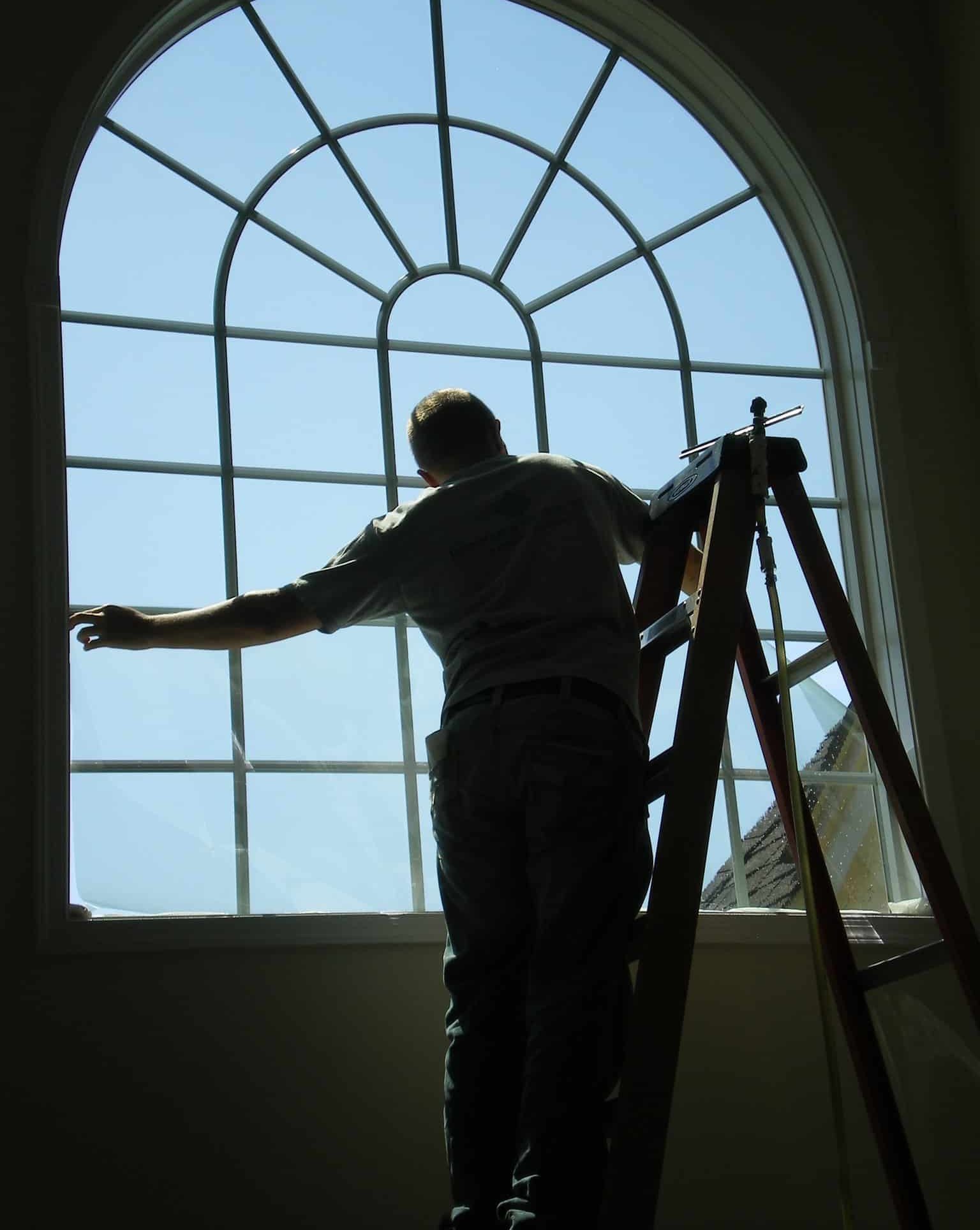
Homeowners understand the key differences between residential and automotive tinting regulations in Pennsylvania, eliminating a common source of...
It's a July afternoon in Philadelphia and the west side of your living room feels like a greenhouse. The HVAC is running constantly, the hardwood floors near the window are starting to show that telltale bleached stripe, and you've resorted to pulling the blinds closed just to make the room tolerable. Except now the room is dark at 3 PM. You bought this house for the light. This isn't the deal you signed up for.
This is a familiar situation for homeowners across Philadelphia, whether you're in a Fishtown row home with south-facing glass, a Chestnut Hill colonial with original windows, or a Main Line twin that catches every degree of afternoon heat. Window film is one of the more practical solutions available, and it doesn't require a renovation. But the wrong film on the wrong glass makes things worse, not better. What follows is what you actually need to know before calling anyone.
Pennsylvania's residential window film rules are far more permissive than most homeowners expect. The 70% VLT (visible light transmission) restriction you may have heard about applies to vehicles, not homes. For residential glass in Philadelphia and the surrounding counties, there are no statewide minimums on film darkness or reflectivity.
That means professional window film installation on your home can range from a lightly tinted solar film that's barely noticeable from the street to a highly reflective privacy film that turns your windows into a mirror during daylight hours. The choice is yours, within reason.
The one set of rules worth checking before you commit is your HOA agreement, if you have one. Some neighborhoods and planned communities in the Main Line or newer Philadelphia suburban developments have guidelines about exterior appearance, including window reflectivity. Sun Control Specialists can help you identify films that meet your comfort goals without triggering a complaint from your association. If you're unsure, bring the HOA document to the consultation. It takes two minutes to cross-reference.
Quick win you can do today: Pull up your HOA or deed restrictions and search for "window" or "glass" or "exterior modifications." Know what you're working with before you shop for film. This one step prevents a lot of wasted time.
Ceramic window film is the strongest performer for Philadelphia's climate, which swings from 87-degree July heat index days to well-below-freezing January temperatures. That range matters more than most people realize when choosing a film type, because a film that aggressively blocks solar heat in summer can also reduce useful solar gain in winter if it's not the right product.
Ceramic films reject solar heat through infrared absorption rather than visible light blocking, which means you can get significant heat reduction without making your windows dark or highly reflective. On south-facing glass in particular, this is worth paying attention to. You want summer protection without losing that winter sun that reduces your heating load.
Carbon films are a practical middle option. They offer solid heat rejection, no signal interference (relevant if you have cellular boosters or smart home devices near your windows), and a neutral appearance. For homeowners who want meaningful improvement on a tighter budget than ceramic, carbon film is worth considering.
Basic dyed films work for glare reduction but don't perform well on heat rejection and tend to degrade faster in direct sun exposure. Philadelphia's summer sun is intense enough that dyed films on west- or south-facing glass often show color shift and reduced performance within a few years.
Sun Control Specialists installs Solar Gard ceramic and carbon film lines. The Solar Gard product range includes documented performance specs for heat rejection and UV blocking, so you're not guessing at the outcome.
Quick win you can do today: Walk through your home at 2 PM and note which rooms feel significantly hotter than others. Write down which direction those windows face. That list is the starting point for any film consultation and tells you exactly where the problem glass is.
High-performance solar films can reduce solar heat gain through glass by up to 79%, which directly cuts air conditioning load during Philadelphia's peak summer months. That's not a rounding error. It's the difference between your HVAC running at 60% capacity and running at full blast from noon to 7 PM.
Philadelphia's urban heat island effect makes this particularly pronounced for homes in denser neighborhoods. West- and south-facing windows absorb and radiate heat long after the sun has moved. In a row home or twin, where you may have limited cross-ventilation and shared walls that retain heat, untreated glass is often the largest single source of uncomfortable afternoon heat.
Older single-pane replacement windows, which are common in Philadelphia homes that updated in the 1980s and 1990s, are especially vulnerable. Double-pane insulated units perform better, but they still transmit significant solar heat through the glass without a film layer.
Window film doesn't replace proper HVAC maintenance or insulation, and any installer who promises you an exact dollar figure in energy savings before actually seeing your home and glass is guessing. What we can say with confidence is that film reduces solar heat gain measurably, and homes with large window areas or problematic elevations consistently see reduced cooling runtime after installation. A site visit from Sun Control Specialists gives you a realistic picture of what to expect based on your specific glass and orientation.
UV radiation is the primary driver of fading in hardwood floors, furniture, and artwork, and quality window film blocks up to 99% of UV-A and UV-B radiation that passes through standard glass. This isn't a seasonal concern. UV penetrates clear glass year-round, including on overcast days in January.
The fading process is slow enough that many homeowners don't notice it until they move a rug and see the contrast between the protected and exposed floor. By that point, the damage is done. Refinishing hardwood is expensive. Replacing antique upholstery is worse. Film is prevention, not a repair.
Generic hardware store window film products often lack documented UV rejection ratings. The Solar Gard films that Sun Control Specialists installs carry verified ratings and manufacturer documentation. That matters if you're protecting something valuable and want to know what level of protection you're actually getting.
For homeowners with artwork near windows, sun-sensitive antiques, or engineered hardwood that's particularly susceptible to UV damage, a clear or lightly tinted film with high UV rejection can provide significant protection with virtually no visible change to the window's appearance. You don't have to darken your windows to protect what's inside them.
One-way reflective films provide daytime privacy while maintaining outward views from inside, making them a practical solution for street-facing windows in densely built Philadelphia neighborhoods. The physics are straightforward: when the exterior of the glass is brighter than the interior (which is the case during daylight), the reflective coating acts as a mirror from outside while remaining transparent from inside.
This works well for ground-floor living rooms, dining rooms, and home offices in row homes where the sidewalk is eight feet from the glass. At night, when interior lighting reverses the brightness differential, the effect reverses too. That's not a defect of the product. It's how physics works, and it's worth knowing before you install.
For spaces where you want round-the-clock privacy, frosted or etched decorative window film is the better answer. Bathrooms, stairwell sidelites, and side windows adjacent to neighboring homes are all candidates. Frosted film scatters light rather than blocking it, so the room stays bright while direct sightlines are eliminated. It looks far better than frosted contact paper and lasts significantly longer.
Quick win you can do today: Stand on the sidewalk in front of your home at midday and look at each ground-floor window. Note which ones have clear sightlines into living spaces. That's your privacy film priority list. It takes five minutes and focuses your consultation immediately.
DIY film installation in Philadelphia's variable humidity conditions frequently results in bubbling, adhesion failures, and voided window warranties. This isn't a hypothetical. It's the most common reason homeowners call us after trying it themselves first.
Window film adhesion is sensitive to temperature, humidity, and surface preparation. Philadelphia's summers are humid. Film applied in a garage on an August afternoon with inadequate surface prep will fail. Even with correct technique, certain glass types, particularly heat-absorbing or Low-E glass, require specific film compatibility checks before installation. Putting the wrong film on Low-E glass can cause thermal stress that cracks the glass. That's an expensive lesson.
Many window manufacturers include a clause in their warranty that covers only professionally installed film from an authorized dealer. Installing a hardware store product yourself can void the glass warranty entirely, which matters if a seal failure or crack occurs later.
Sun Control Specialists is an authorized Solar Gard dealer, which means the films we install carry manufacturer-backed warranties alongside our own installation guarantee. The Panorama PRO product line includes the Panorama PremierPlus Warranty for eligible installations. If something goes wrong with the film, you have a clear path to resolution. That doesn't exist with a DIY roll from a hardware store.
Philadelphia's climate is a genuine challenge for window glass. The region sits in a humid continental zone where summer heat index regularly exceeds 90 degrees and winter temperatures drop well below freezing. That thermal cycling puts stress on glass and film alike, which is why film selection and installation quality matter more here than in more temperate climates.
The housing stock adds another layer of complexity. Philadelphia and its surrounding counties have a significant amount of older glass, original double-hungs in Chestnut Hill Victorians, 1960s picture windows in Delaware County ranches, and mix-and-match replacement windows installed at various points over the last 40 years. Each of those situations calls for a different film approach. There's no single answer that works across all of them.
Sun Control Specialists has worked across the Main Line, Bucks County, Chester County, Montgomery County, Delaware County, and selected Philadelphia neighborhoods for more than 27 years. The questions that come up in Haverford look different from the ones that come up in Fishtown, and the answers are different too. That local specificity is what drives our install recommendations, not a product catalog.
Sun Control Specialists has been installing Solar Gard window film in southeastern Pennsylvania since before most of our clients' current windows were put in. That's not a boast. It means we've seen what performs over time in this climate and what doesn't.
We install solar, security, and decorative films, which means we're not pushing you toward one product category because it's all we carry. If your primary concern is heat reduction, we recommend accordingly. If you have a ground-floor commercial storefront with smash-and-grab risk, anti-intrusion security film is a different conversation. If you want a frosted bathroom window that looks like it was etched at the factory, we have that too.
As an authorized Solar Gard dealer, we carry documented performance specs on every film we install and stand behind the work with both manufacturer and installation warranties. Every job starts with a site visit because there's no responsible way to recommend a film without seeing the glass, the elevation, and the actual problem you're trying to solve.
Call us at (610) 735-7064 or request a free estimate online. We'll tell you what will actually work.
Here's what matters: Pennsylvania's residential window film regulations give Philadelphia homeowners significant flexibility in film choice, but the right film still depends on your glass type, window orientation, and specific goals. Ceramic films are the strongest performers for Philadelphia's climate. Professional installation protects your window warranty and ensures the film lasts. Generic DIY products don't come close to matching the UV rejection, heat performance, or longevity of Solar Gard films installed by a certified dealer.
Your next step: Request a free estimate from Sun Control Specialists or call (610) 735-7064.
Yes, and in many cases it works better on single-pane glass than on newer double-pane units because there's no seal failure risk from thermal stress. Single-pane glass transmits more heat and UV than insulated glass, so the performance gain from a quality solar film is often more noticeable. Sun Control Specialists will assess your specific glass during the site visit to confirm film compatibility.
It depends on the film. Lightly tinted solar films and clear UV-rejection films change the light quality very little, often less than you'd expect from the performance numbers. Reflective privacy films are more visible but still allow substantial light through. We don't recommend films that sacrifice livable light levels unless privacy or security is the explicit priority. There are products that perform well without making your home feel like a cave.
Professionally installed Solar Gard films typically last 10 to 20 years depending on film type, glass exposure, and installation quality. South- and west-facing glass in full sun sees more wear than shaded or north-facing windows. DIY films applied in improper conditions often fail within two to five years. The difference is installation technique, product quality, and whether the film was matched correctly to the glass type.
This is one of the most important compatibility questions in residential film installation. Some films are not safe to install on Low-E glass because they can cause thermal stress that cracks the pane. Sun Control Specialists checks glass type before recommending any film. If your windows have a Low-E coating, tell us during the consultation. It narrows the product selection but doesn't eliminate the option entirely.
Yes, and it's worth understanding. UV radiation and infrared heat are different parts of the solar spectrum. A film can block nearly all UV while still transmitting significant heat, or block significant heat with moderate UV rejection. High-quality ceramic films from Solar Gard address both in a single product, which is one reason we recommend them for most Philadelphia homeowners. If your primary goal is floor and furniture protection, UV rejection rating is the spec to prioritize. If it's cooling comfort, total solar energy rejected matters more. We'll walk you through both during the estimate.